
Veterans
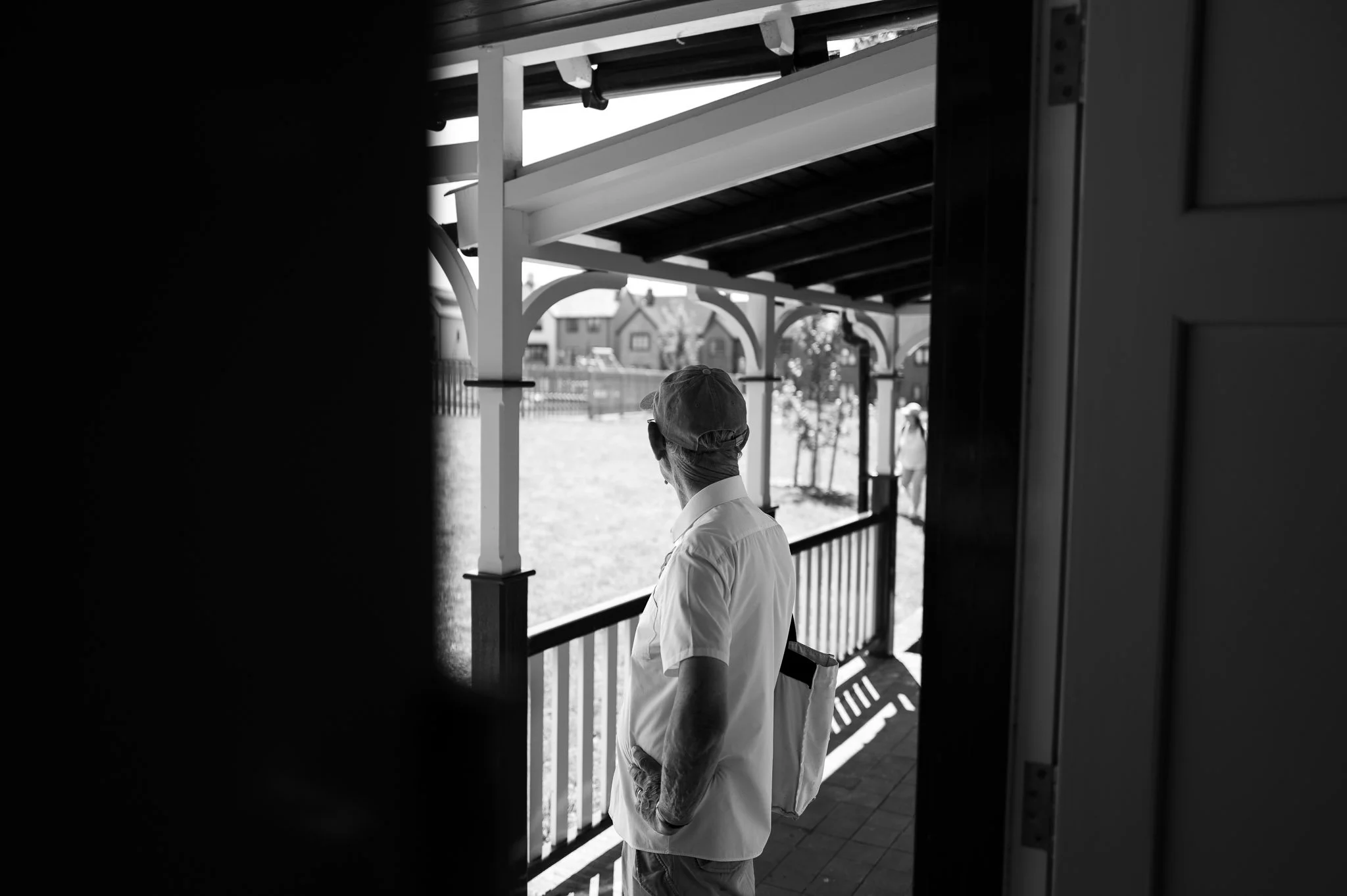
With the latest British heatwave in full swing, I arrived at St Aubyn's Chapel this week and waited in the car park to meet Mike and members of the Parish Council, there to consider the venue as a possible home for the project.
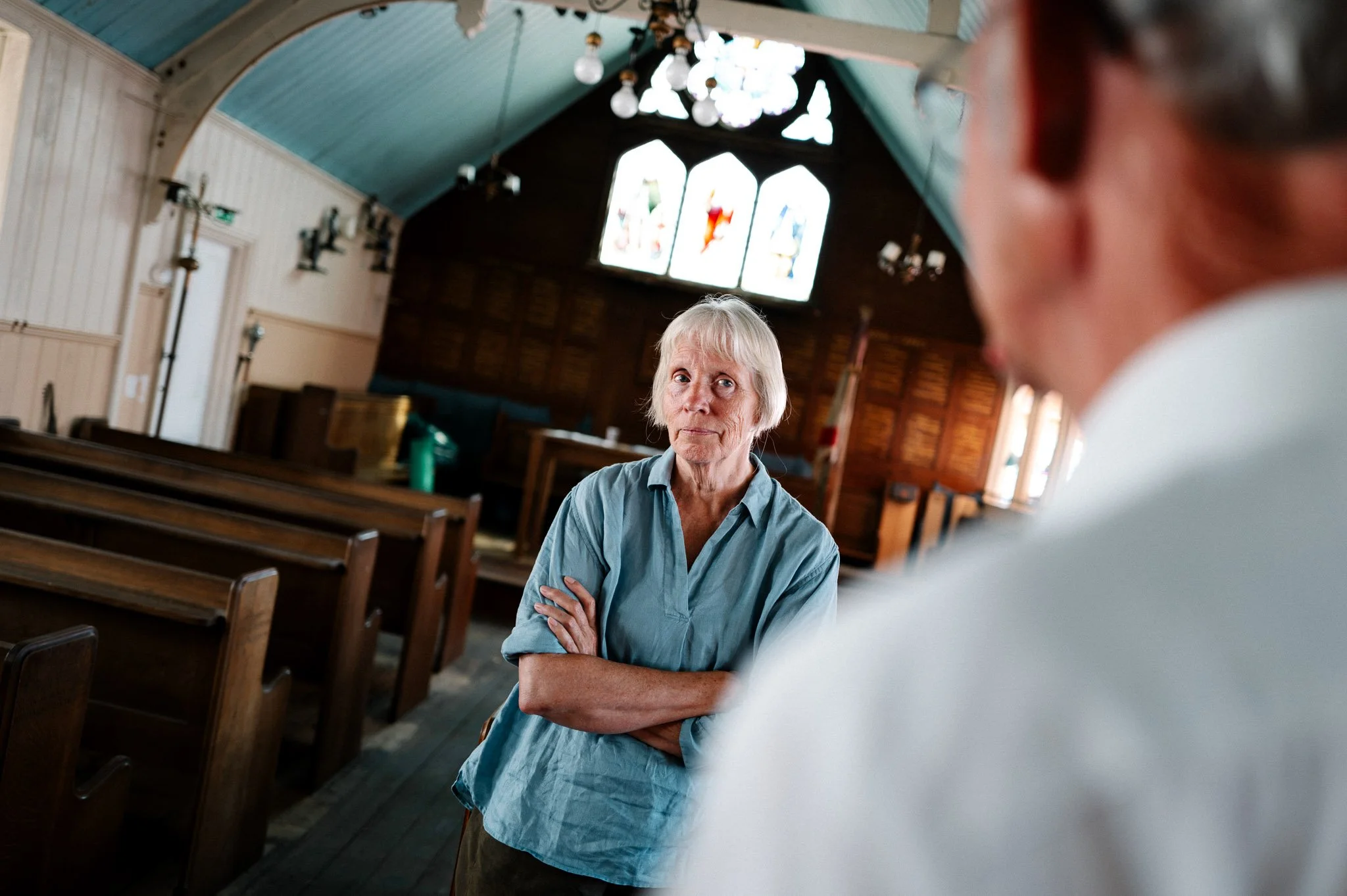
'Is it Wayne, come to look at the chapel?' I turned to see Julie Lawrence advancing up the steps with an outstretched hand, possibly fresh from a sea swim, though unconfirmed. A member of Rottingdean Parish Council, she's someone who appears in sharp focus from the off: energetic, intelligent, and a cheerful veteran of getting things done.
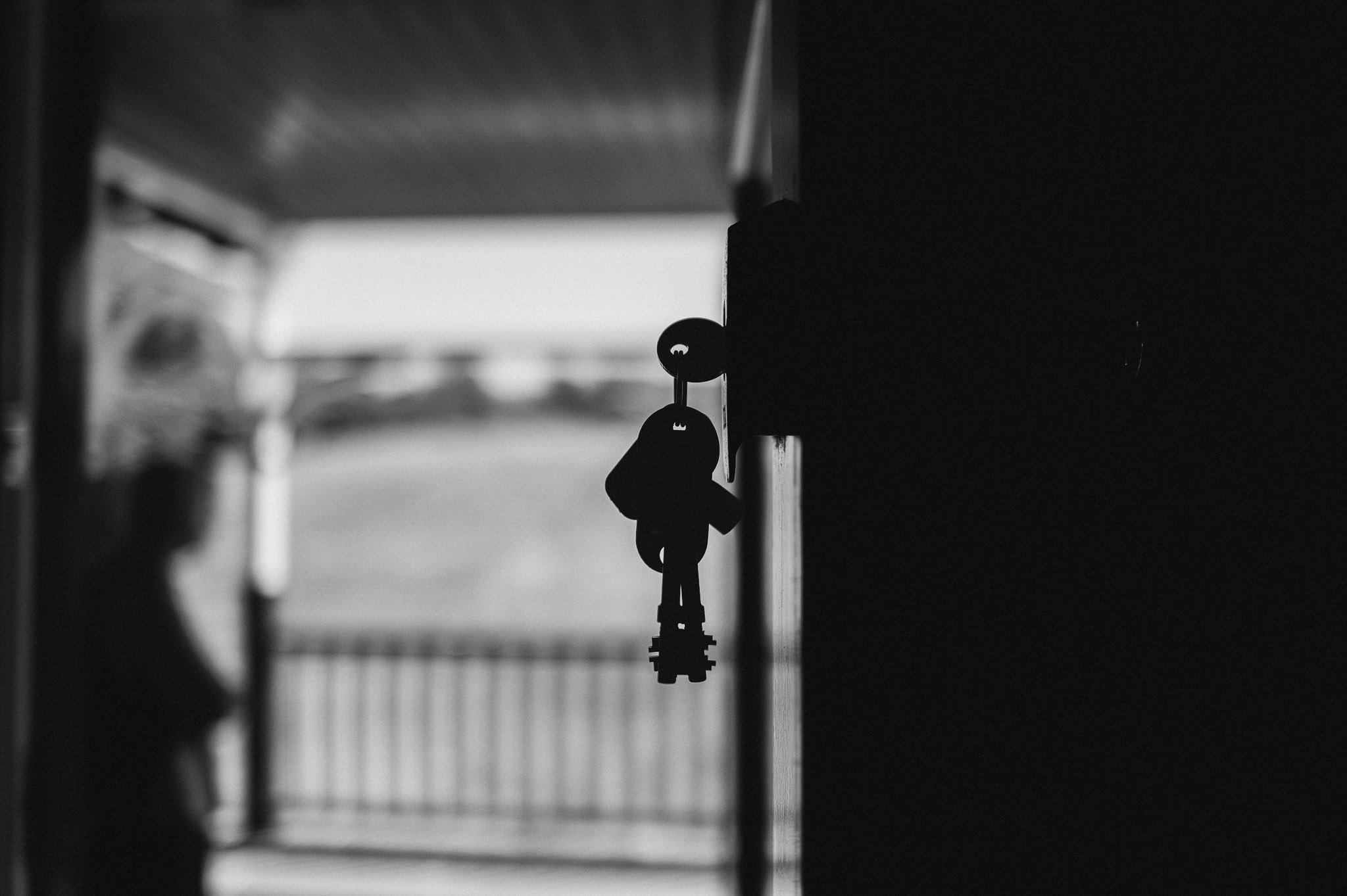
Mike arrived, and after a brief jangling of keys and security passcodes we were led inside St Aubyn's Chapel, Rottingdean.
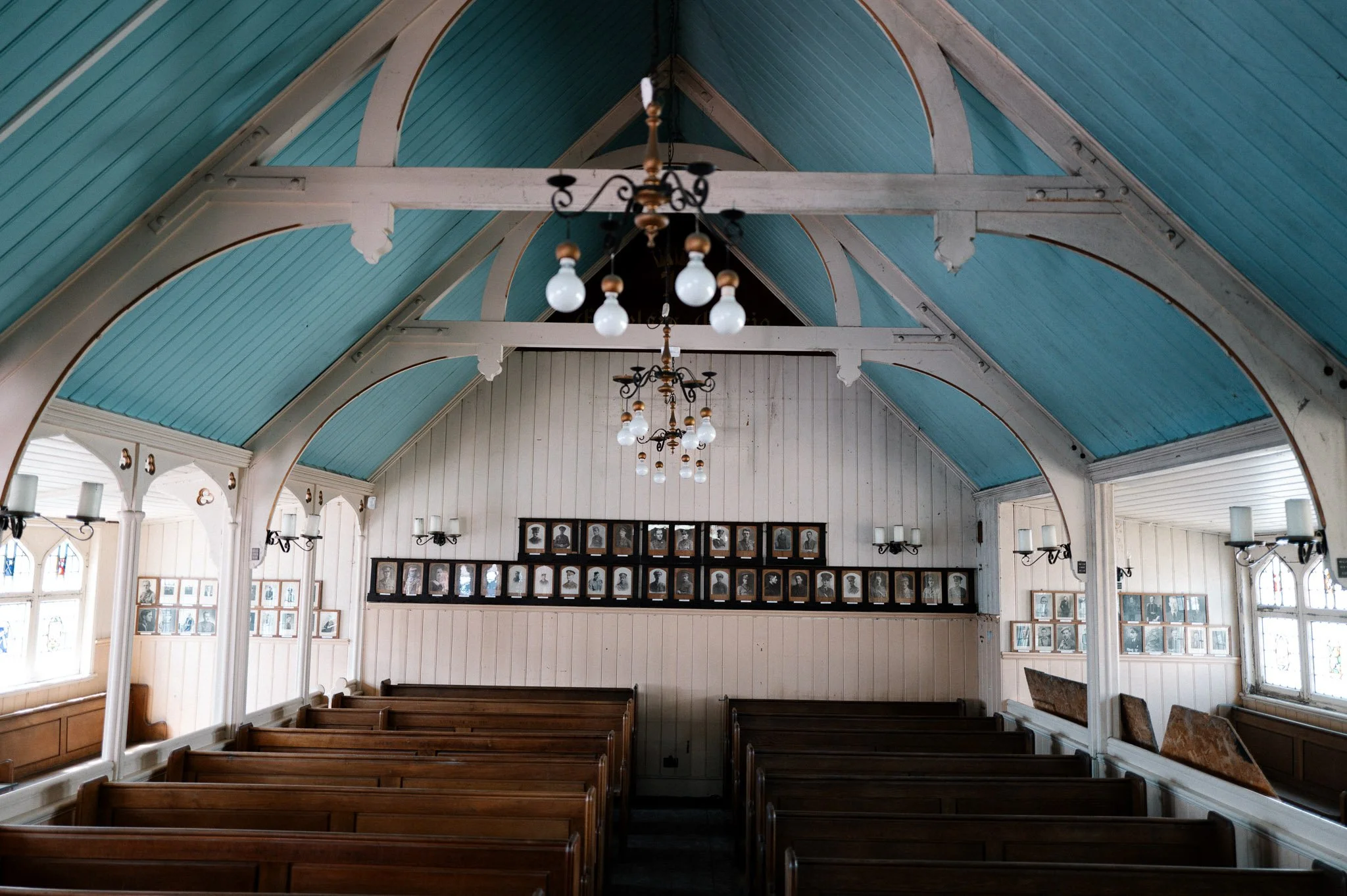
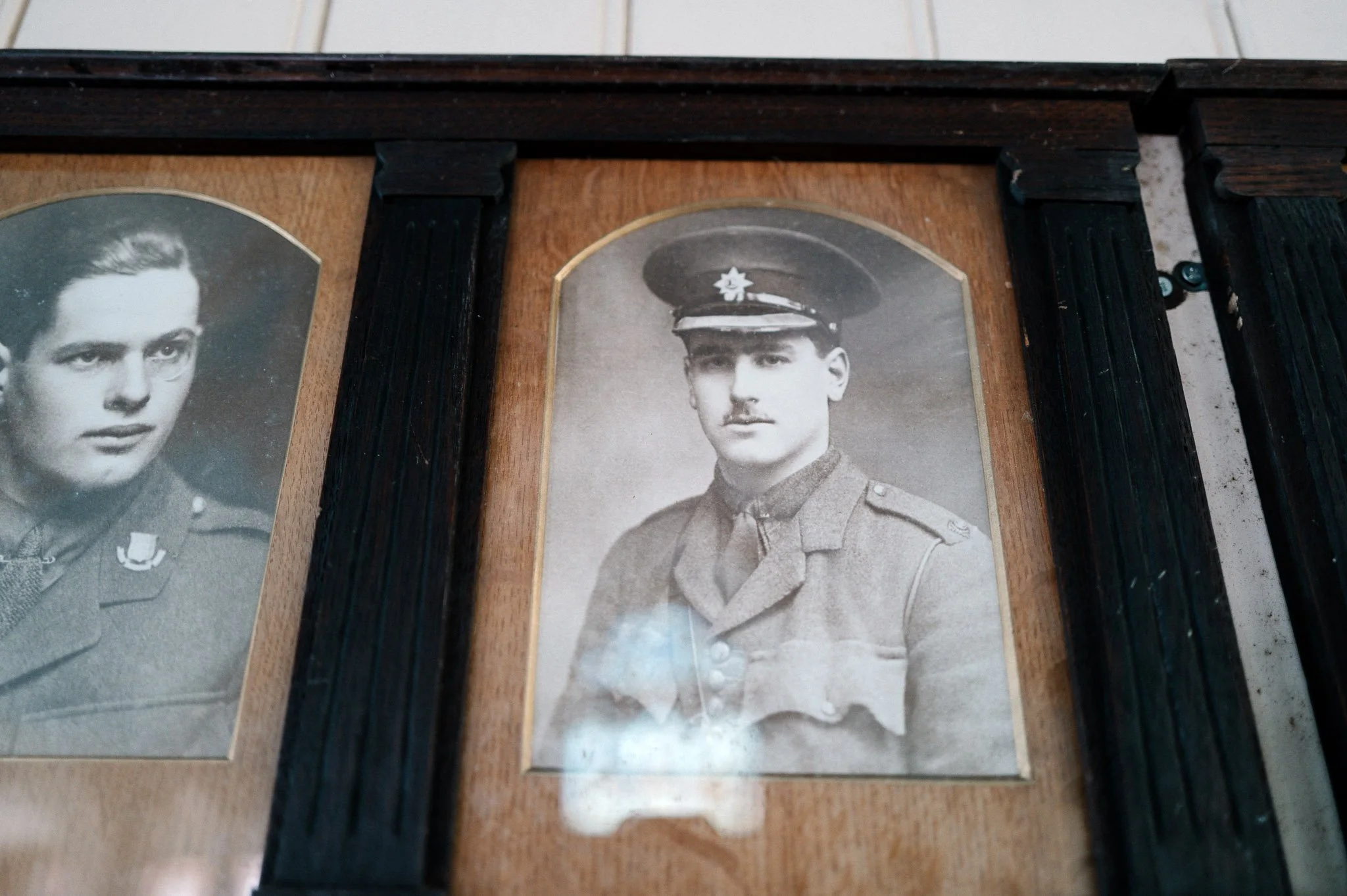
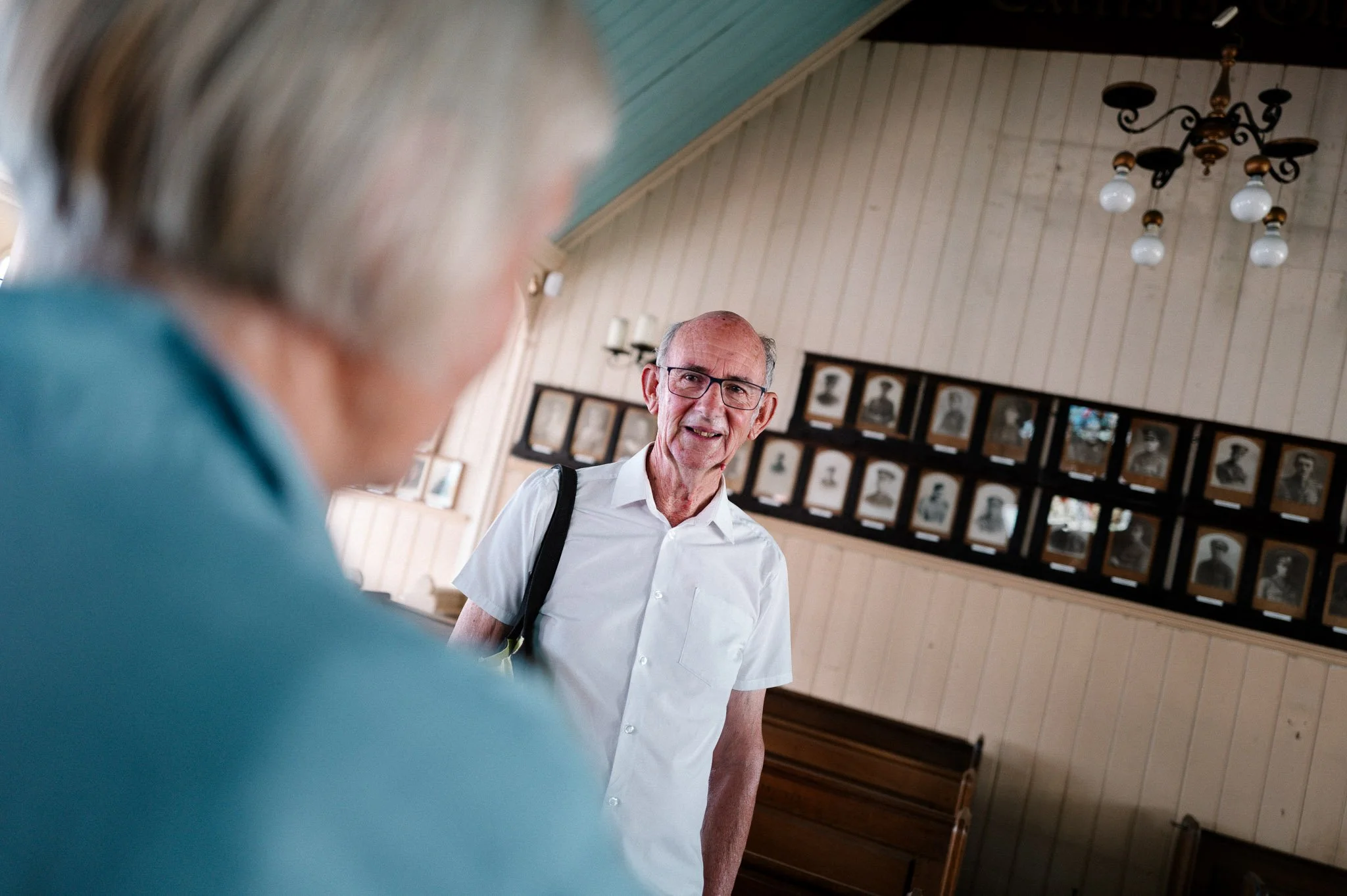
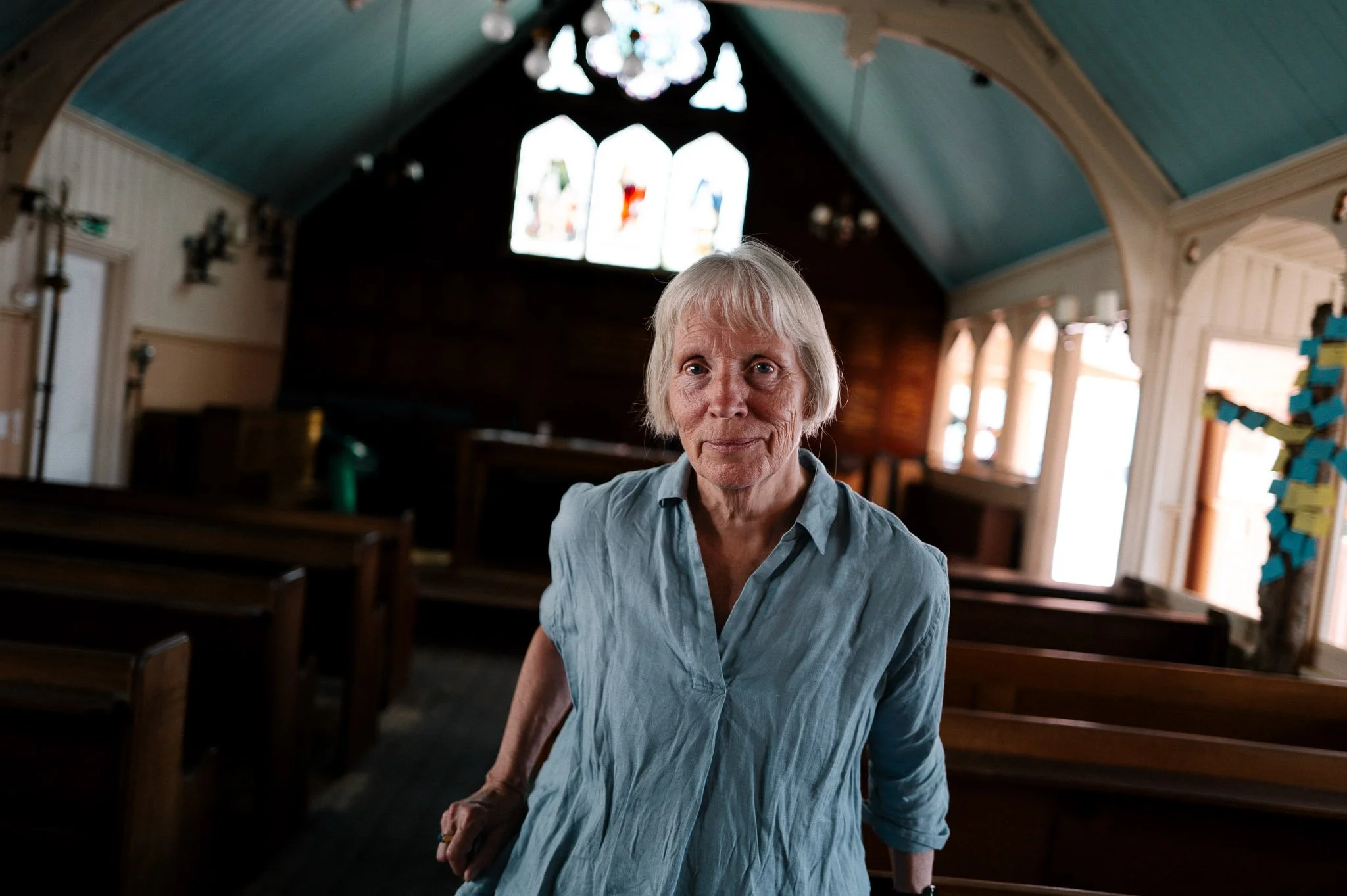
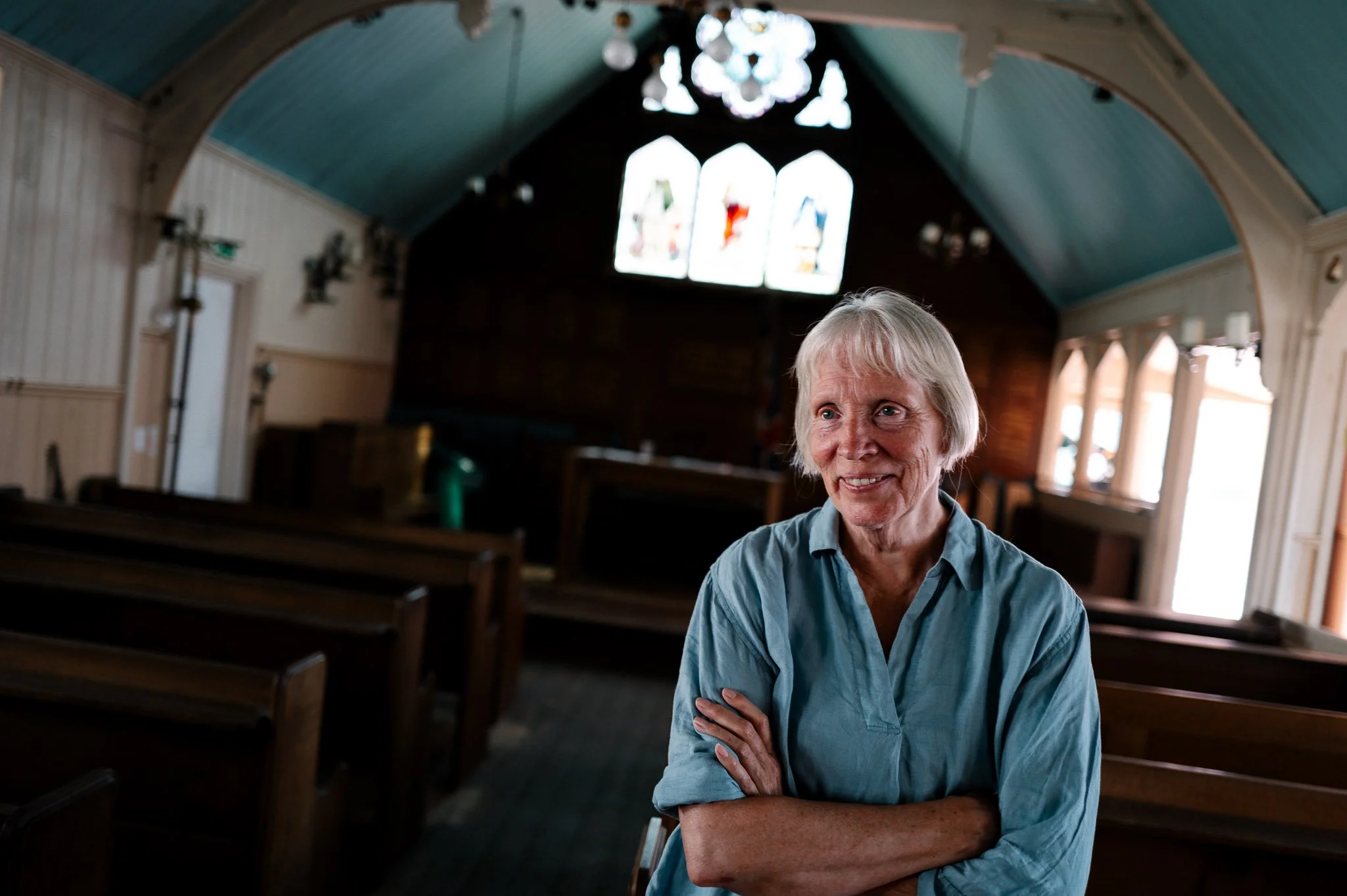
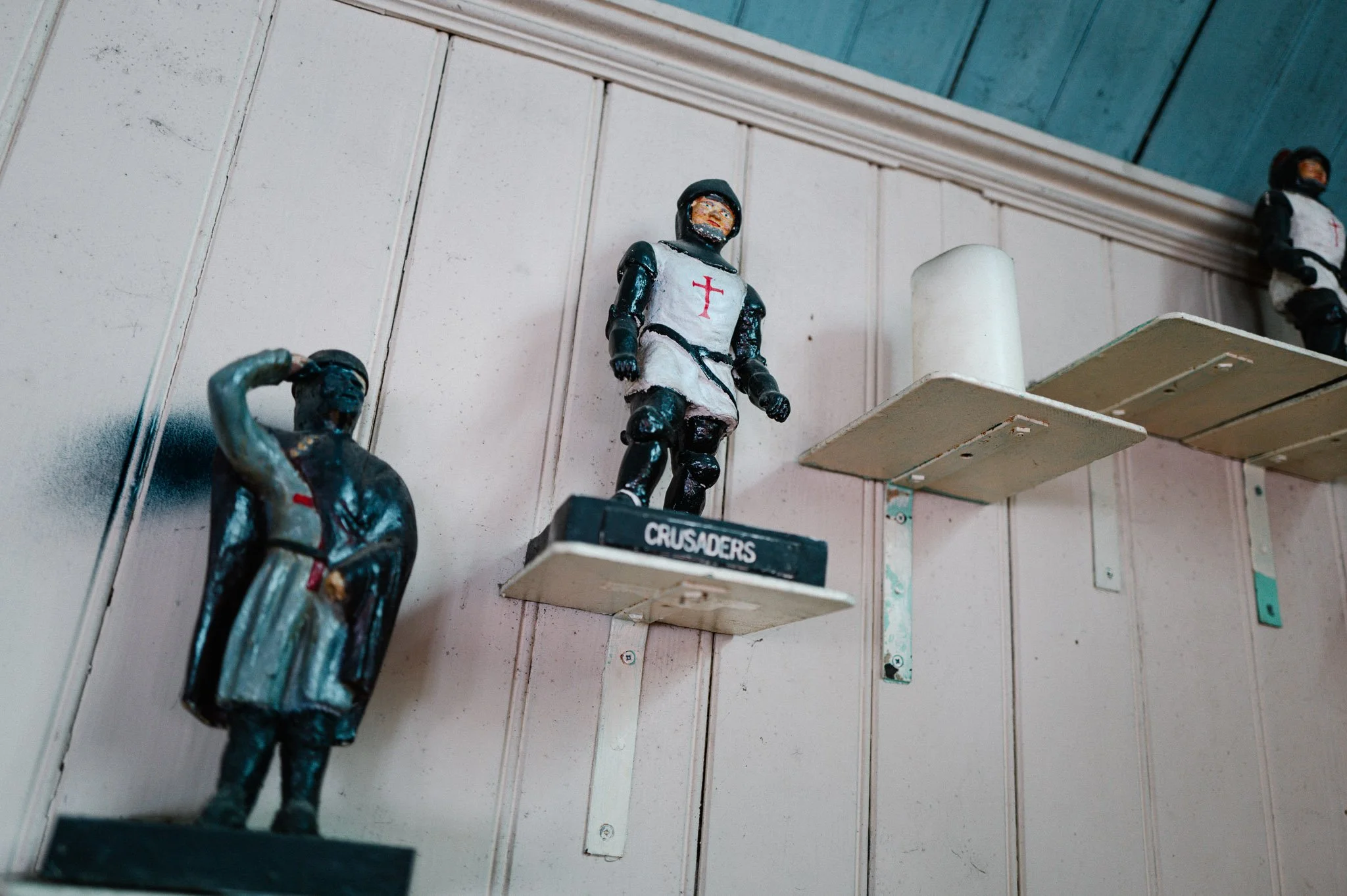
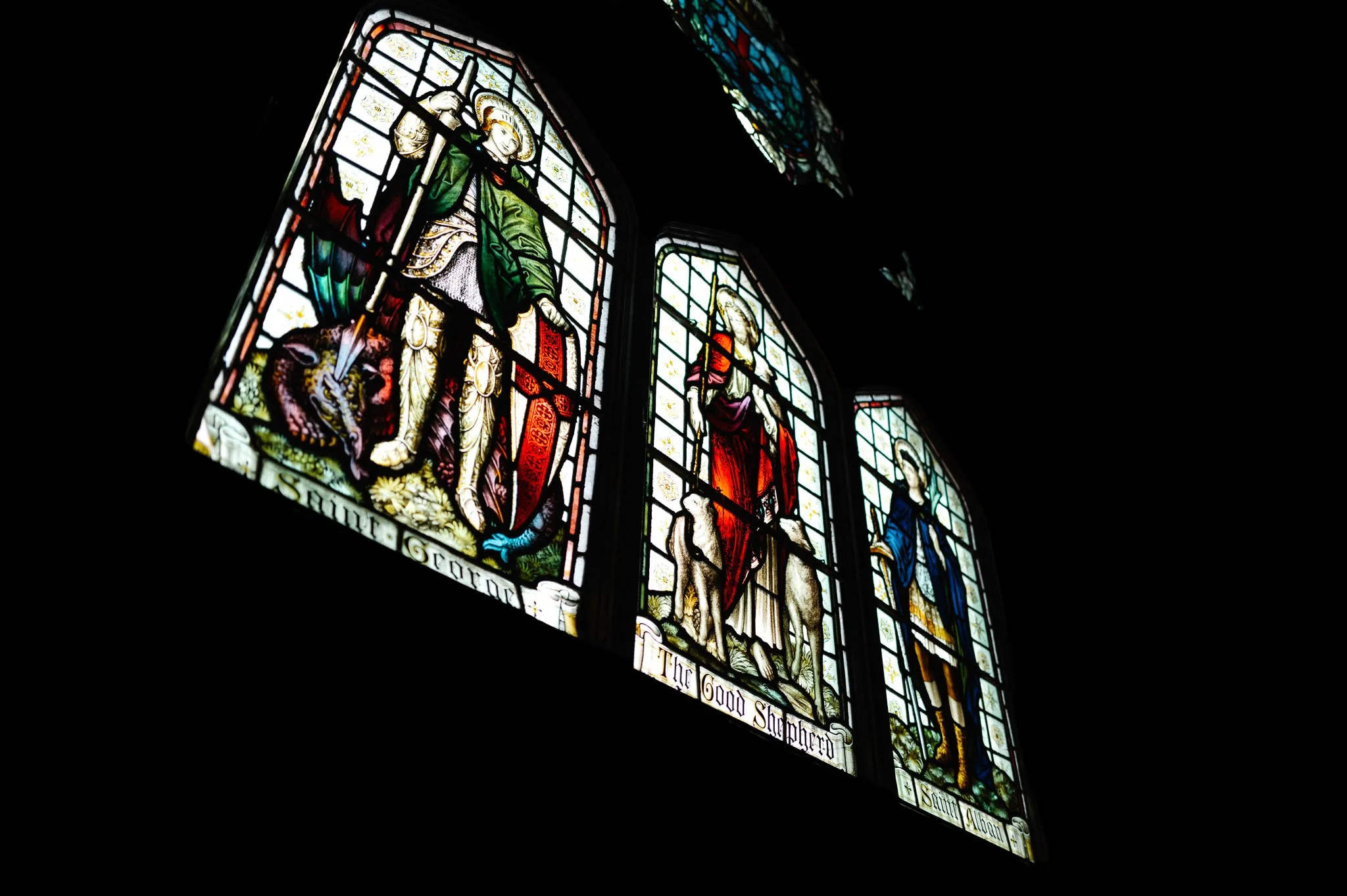
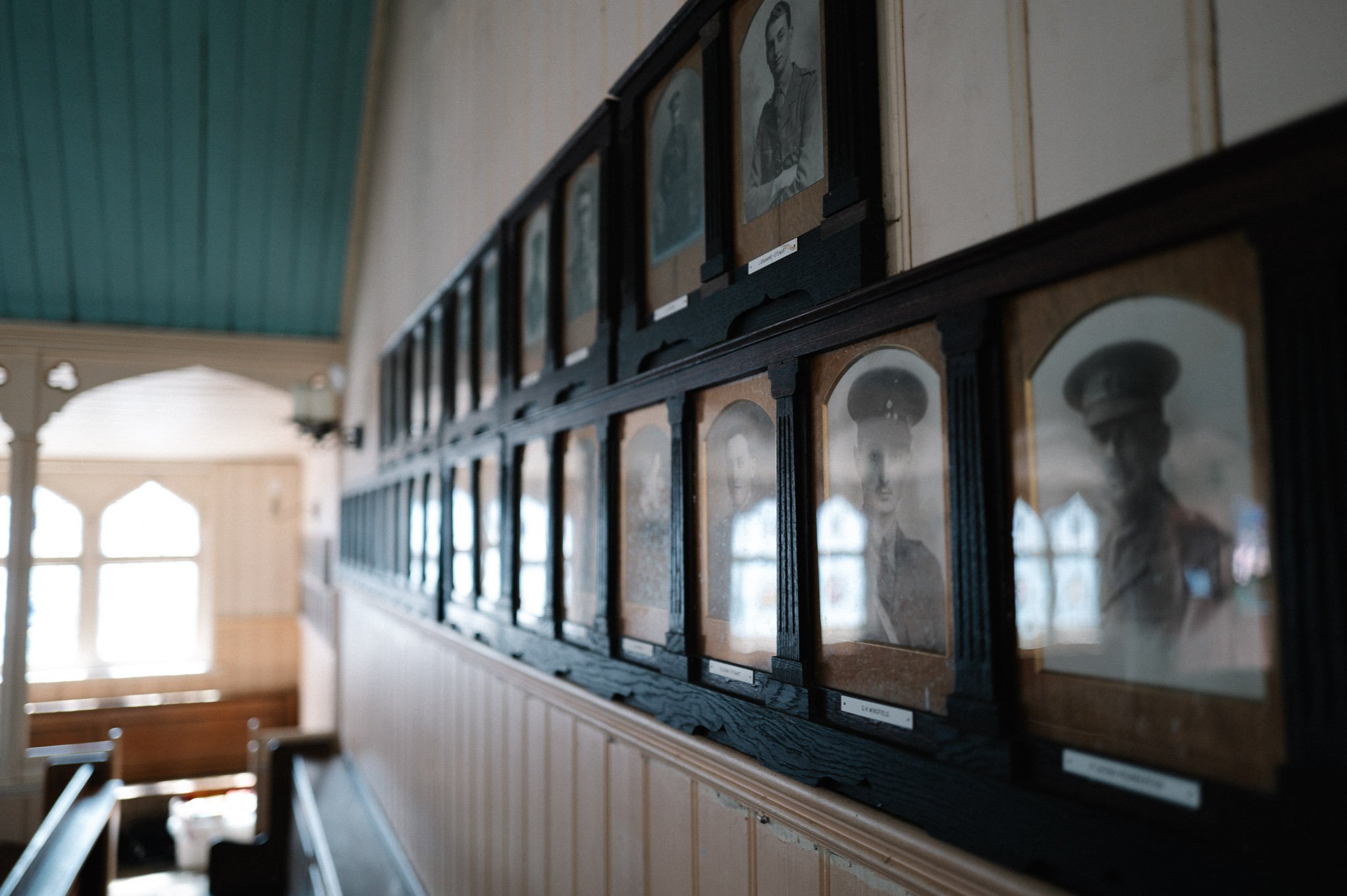
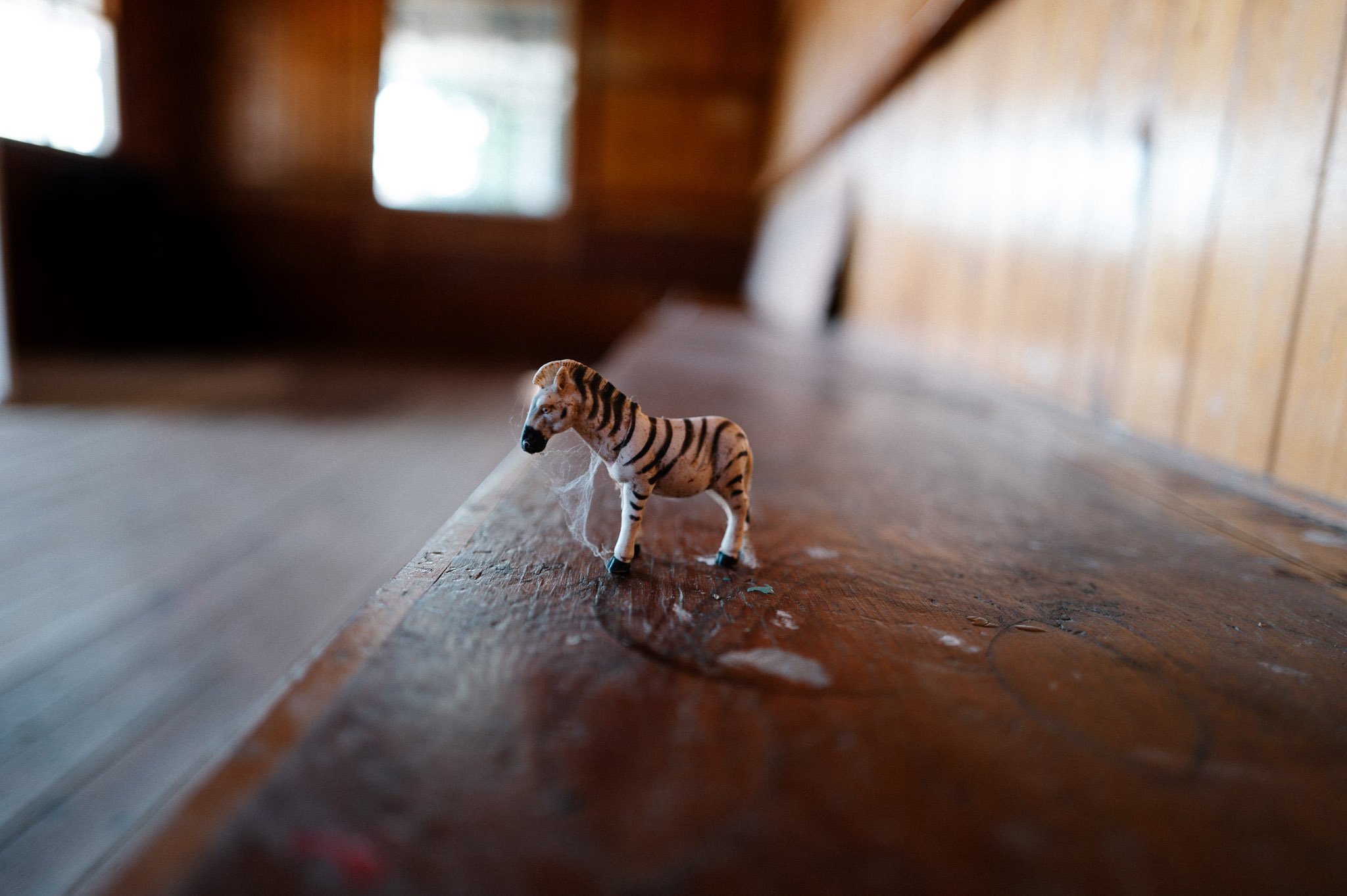
It was hot in there too, but the history was palpable the moment you walked in — pews lined up in rows, and along the back wall, old sepia portraits of men in uniform: former pupils who, I was told, once sat in these very pews as schoolboys, including Rudyard Kipling's son among the decorated officers gazing down from the wall. Veterans too, of a different sort. I was immediately enamoured with the space, though I didn't have time to properly find out who they all were — I had the sense, one I've had before, that I'll come to know those faces intimately in time.
The chapel was built in 1912 for St Aubyns Preparatory School, whose pupils it once served each morning before lessons. The school closed in 2013, and the building passed to the Parish Council, who are now restoring it for community use. It's clear how much care has gone into that work — years saving the windows, fitting alarms, landscaping the field, seeing off a fight to keep the site from being swallowed by development — and I recognised in it something close to LightKeep's own motivation: not just to preserve, but to keep a place's stories vibrant and alive, and make sure they belong to the village that made them.
I described LightKeep to Julie, and she got it immediately — what it's for, who it's for, what it could mean for the village. Her response was pure, straightforward enthusiasm. And true to my first impressions, that enthusiasm didn't stay abstract for long: she was soon thinking practically — moving pews, lighting, electricity, what the space would feel like in December or January.
I stood for a moment, picturing LightKeep's portraits — people I haven't yet met — sharing these walls with St Aubyn's alumni, linked by people, place, and the village's history.
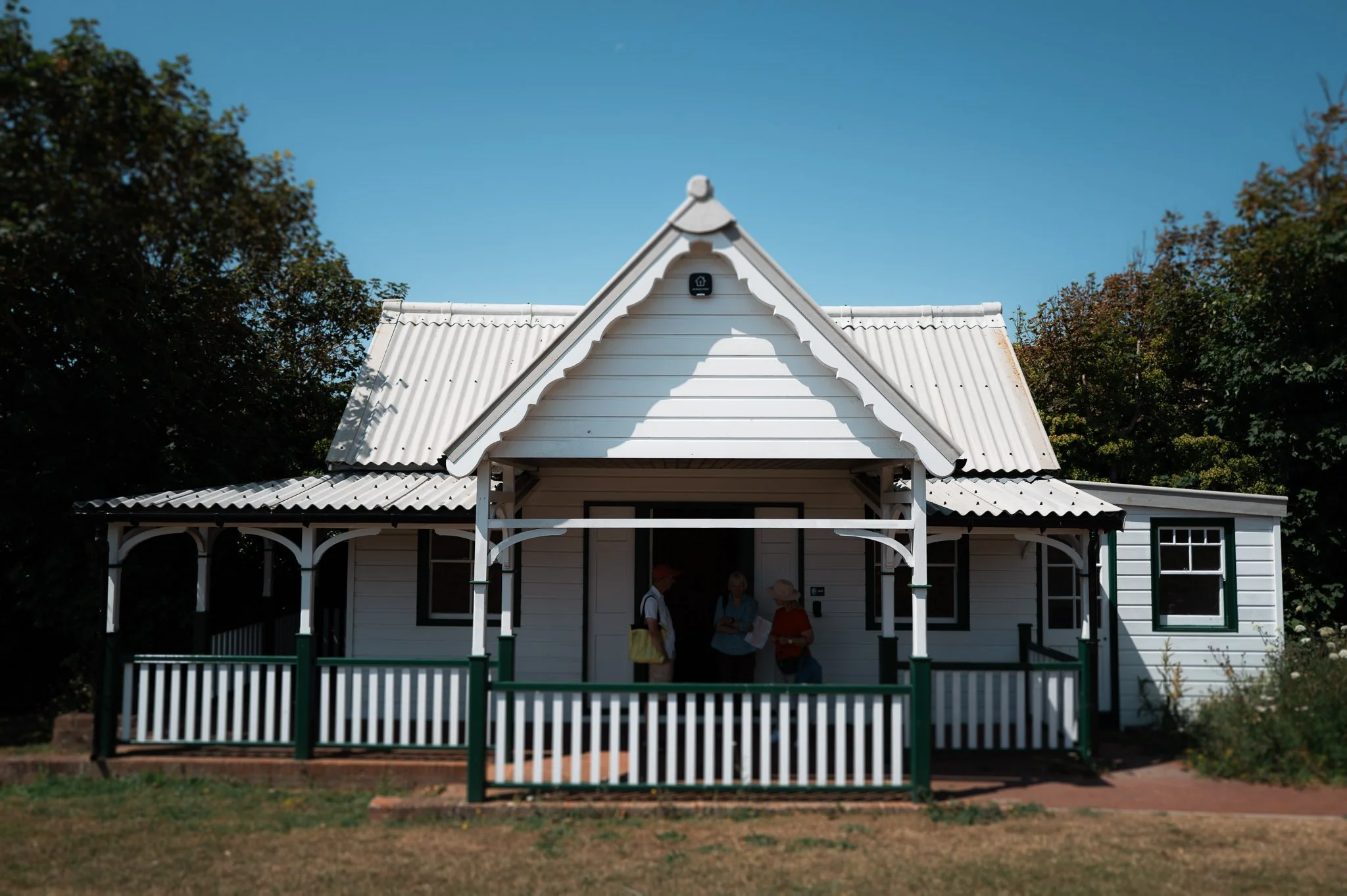
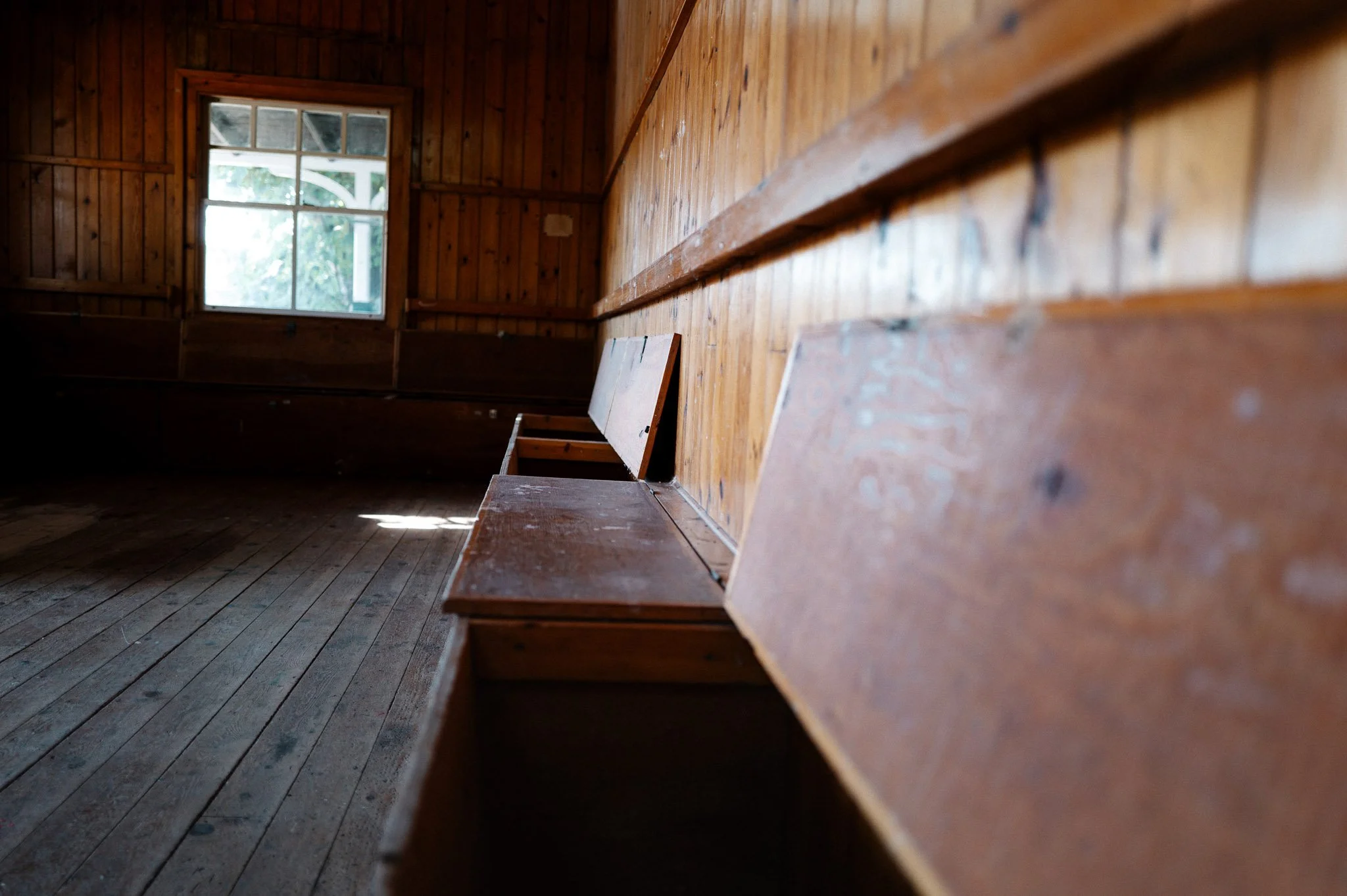
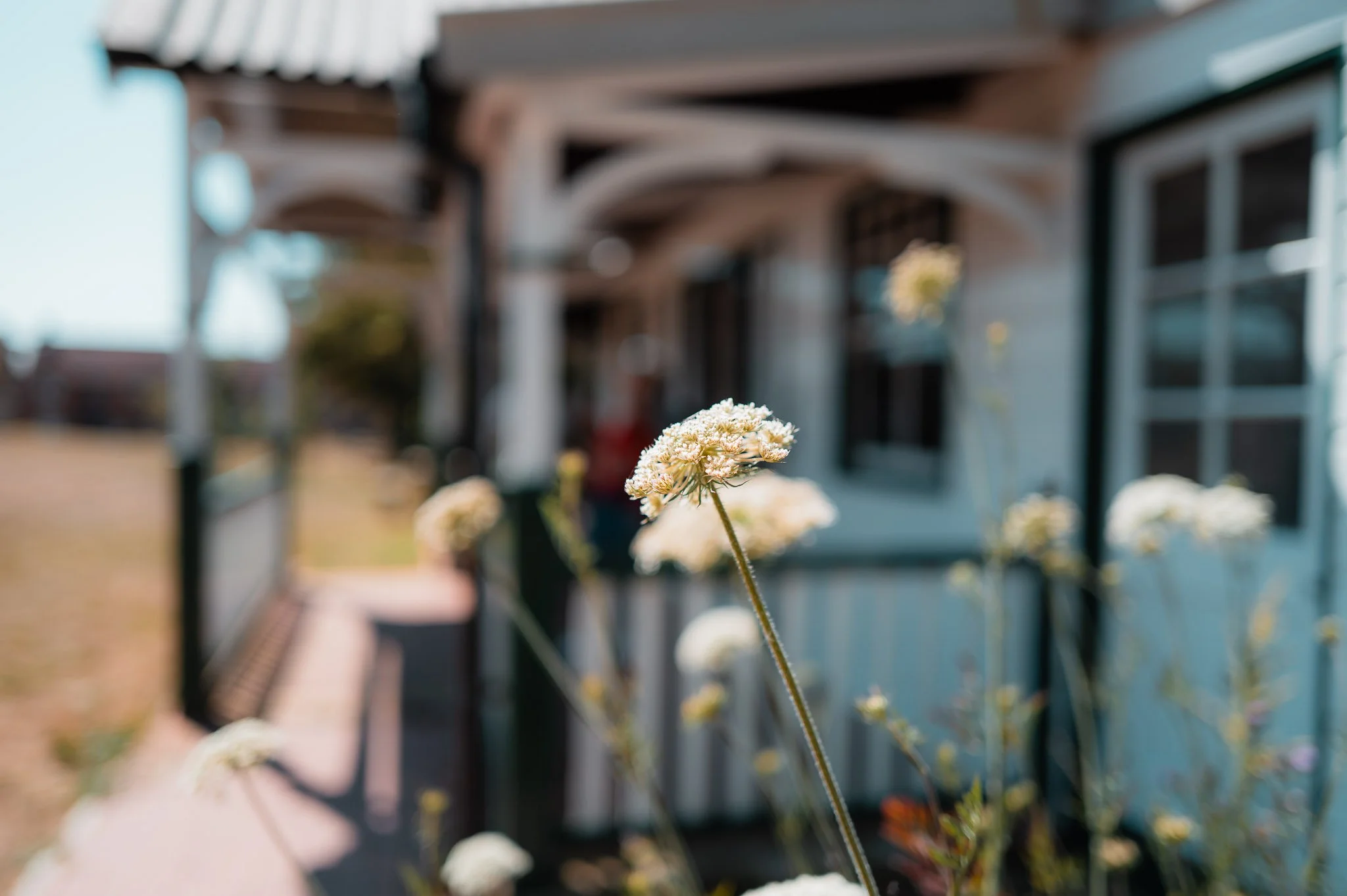
Afterwards Julie walked me through the village to the pavilion, filling in details Mike had already started — the wildflower garden planted north of the building, the orchard, evidence of their own continuing work in the village. Inside, the pavilion is another beautiful space, a little cooler, and we talked about it as either the main venue or a smaller companion site — even, down the line, a possible home for a more permanent archive.
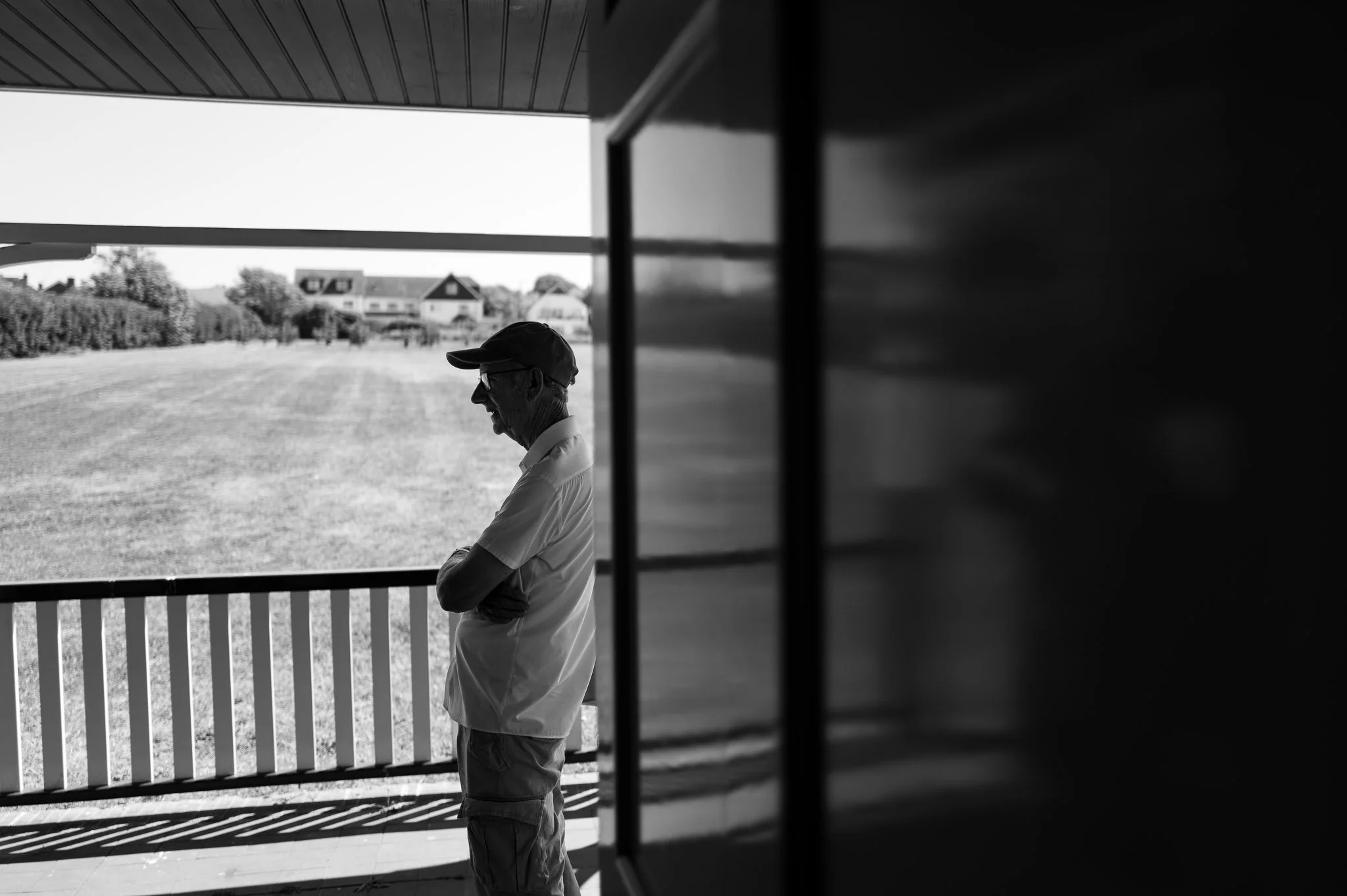
Mike and I finished the visit over coffee, talking through next steps. What I took away, more than anything, is that in Julie I've potentially found my third real advocate for this project — someone in a genuinely useful position to help it move forward. If the space can be arranged the way it needs to be, St Aubyn's and the pavilion could be home for this exhibition, and for whatever comes after it.
