About LightKeep
The Project
Some stories are recorded. Most are not.
The histories that make it into books and archives tend to be the public ones — the official record, the documented event, the named individual. What rarely survives is the lived texture of ordinary life. The work and the family. The place as it felt to inhabit it. The things people knew and carried and never thought to write down.
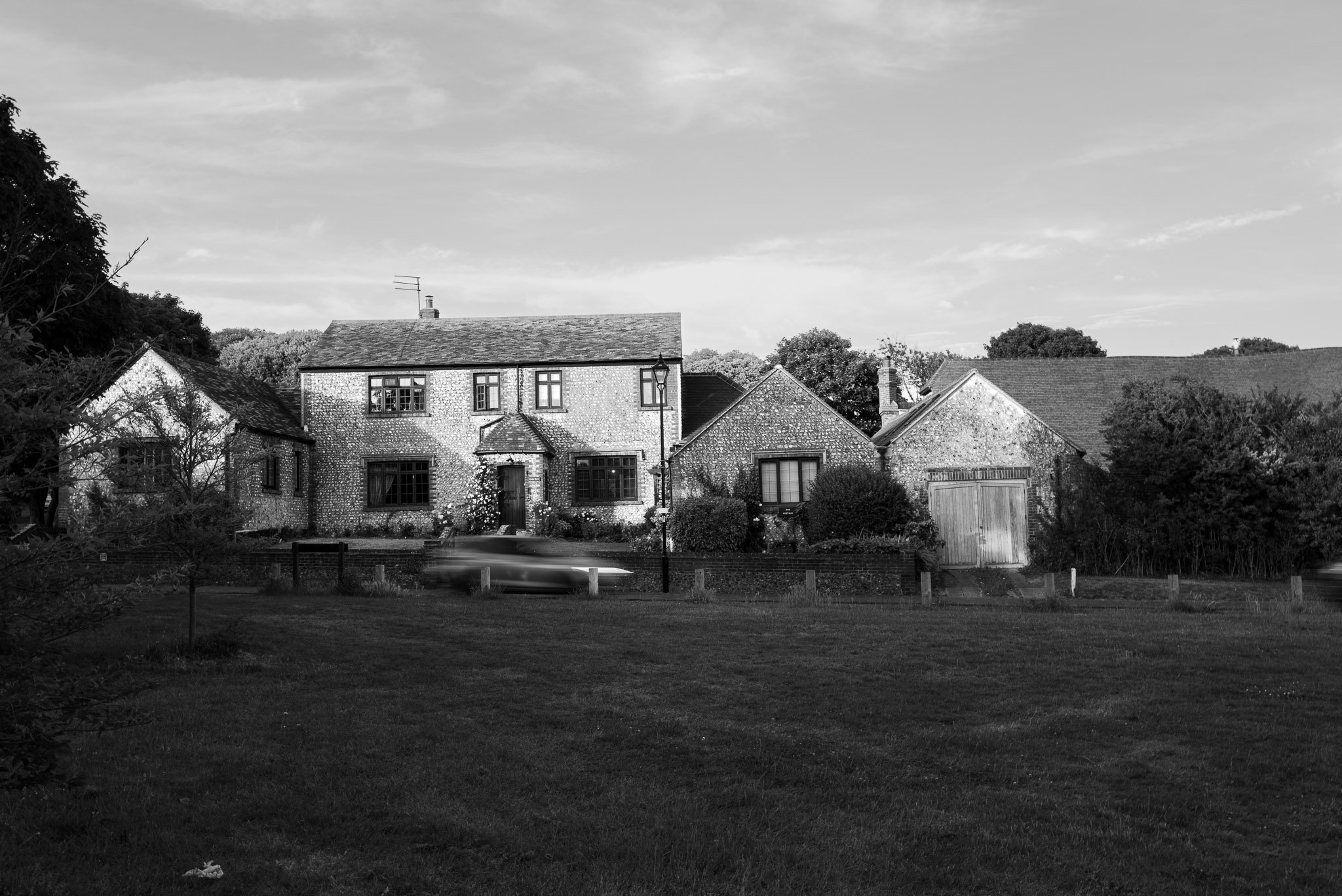
LightKeep exists to capture some of those stories before they are gone — specifically, the stories of older residents in Rottingdean, Saltdean, Ovingdean and the surrounding villages along the East Sussex coast. Through a series of high-resolution black-and-white portraits, filmed conversations and written records, it creates a permanent archive of lives that shaped this place.
Each subject is presented in full: the definitive portrait, a companion photograph, a filmed interview and a written account of their life. Together the portraits form a tapestry — of an era, of a community, of a place. The project will culminate in a public exhibition, a printed catalogue, and an online archive freely and permanently accessible to residents, families, schools and researchers.
Why this project exists
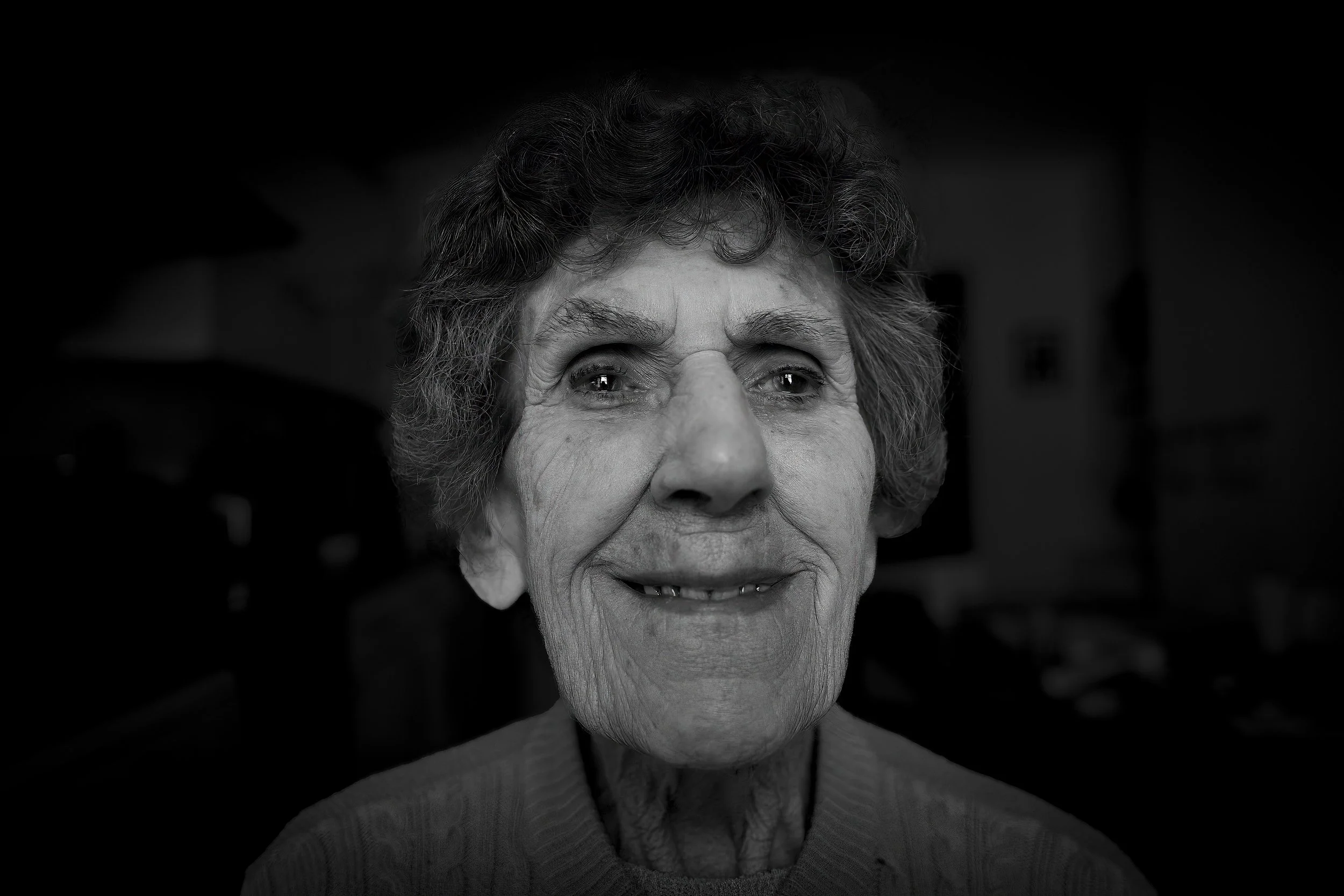
LightKeep began with Vivienne. She was my grandmother. I made her portrait and recorded her conversation not fully understanding why — only that it felt urgent. She died a few months later.
I understand now. Every conversation in this archive starts the same way it started with her: with someone whose story was nearly lost, and the simple decision to ask before it was too late.
The Approach
The daguerreotype was not simply a technology. It was a confrontation.
To sit for a daguerreotype portrait in the 1840s was to understand that something rare and permanent was happening. The exposure required stillness — sometimes minutes of it. The subject could not perform or deflect. What remained was not a moment but a life: the full weight of a person's presence, held in silver and light.
Studying the work of Southworth & Hawes — the great Boston portraitists who photographed Boston Brahmins, abolitionists and elder statesmen between 1843 and 1863 — and the extraordinary portraits of Geronimo and Abraham Lincoln made by Gardner, Brady, Wittick and Rinehart, one question kept returning: why do these images feel more present than almost anything made since? The subjects look as if they might suddenly say something. They are not captured in a moment. They are simply there.
The answer, I came to understand, is fidelity. Not just technical fidelity — though the resolution of a daguerreotype plate is extraordinary — but fidelity to the person. The great daguerreotypists took "extraordinary pains with each commission, adjusting the pose, the expression, the hair, the lighting." They were not documenting. They were witnessing.
LightKeep applies that discipline to contemporary portrait practice.
“They are not captured in a moment. They are simply there.”
— On the portraits of Southworth & Hawes, 1843–1863
The Method
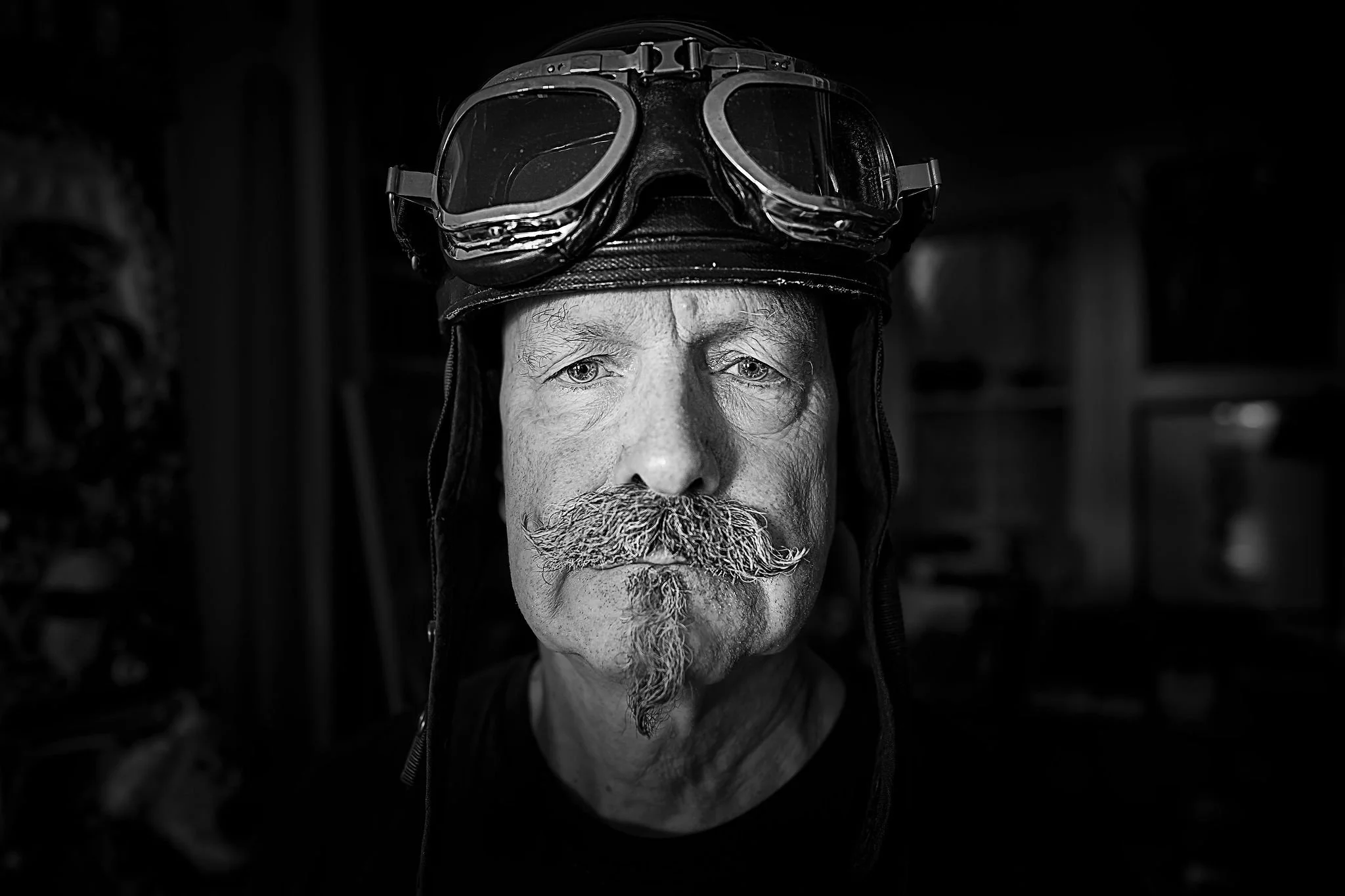
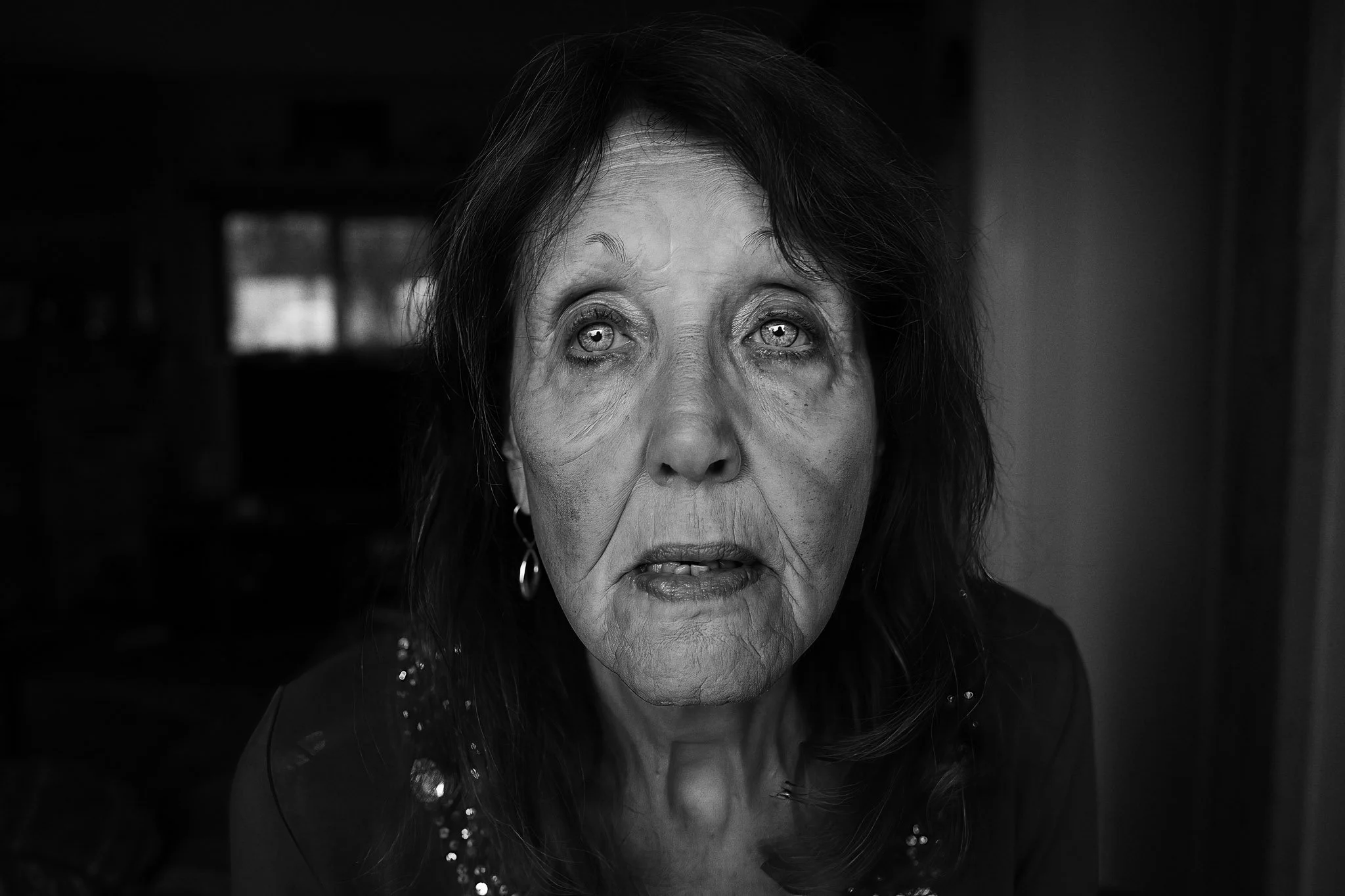
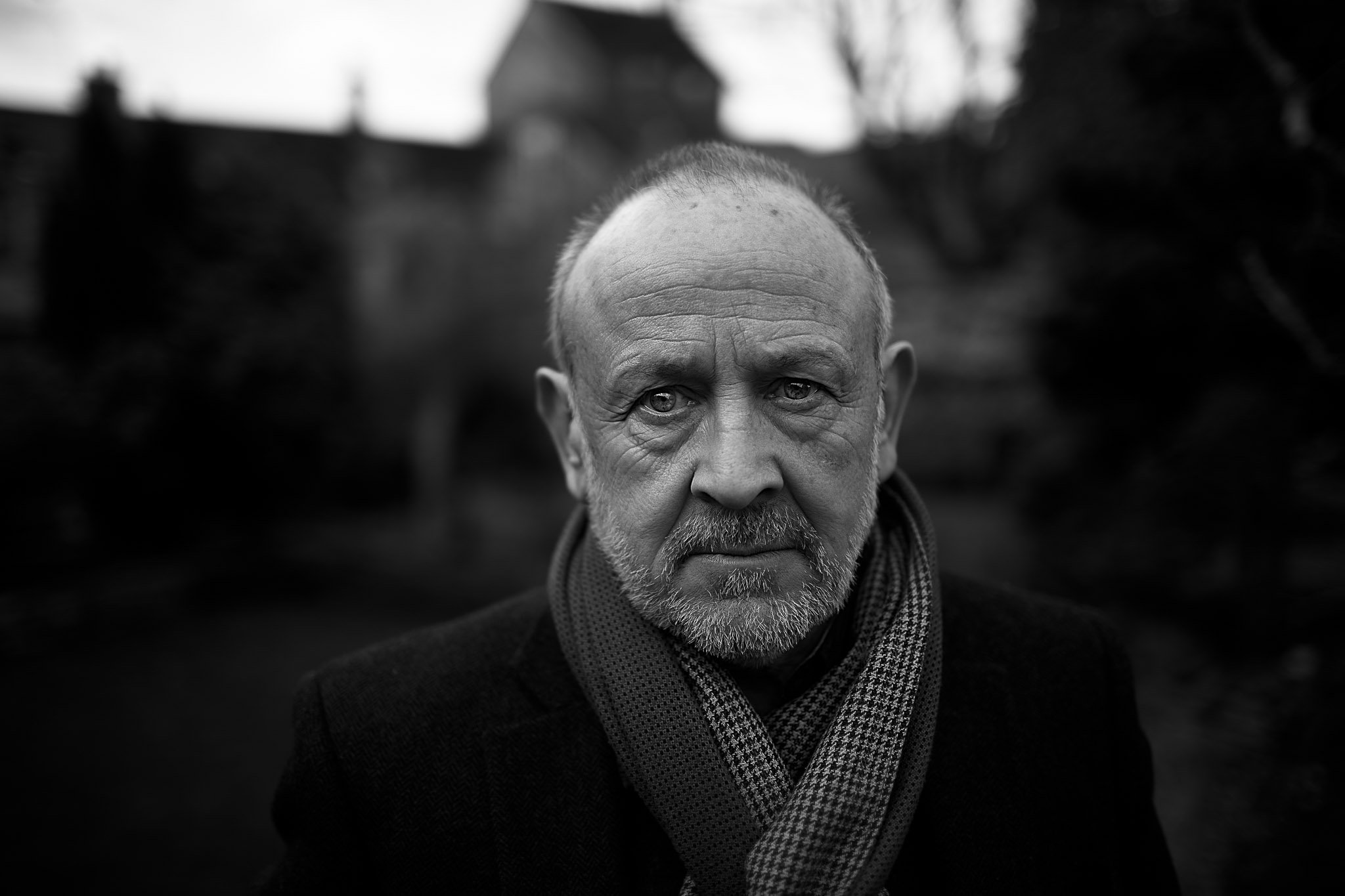
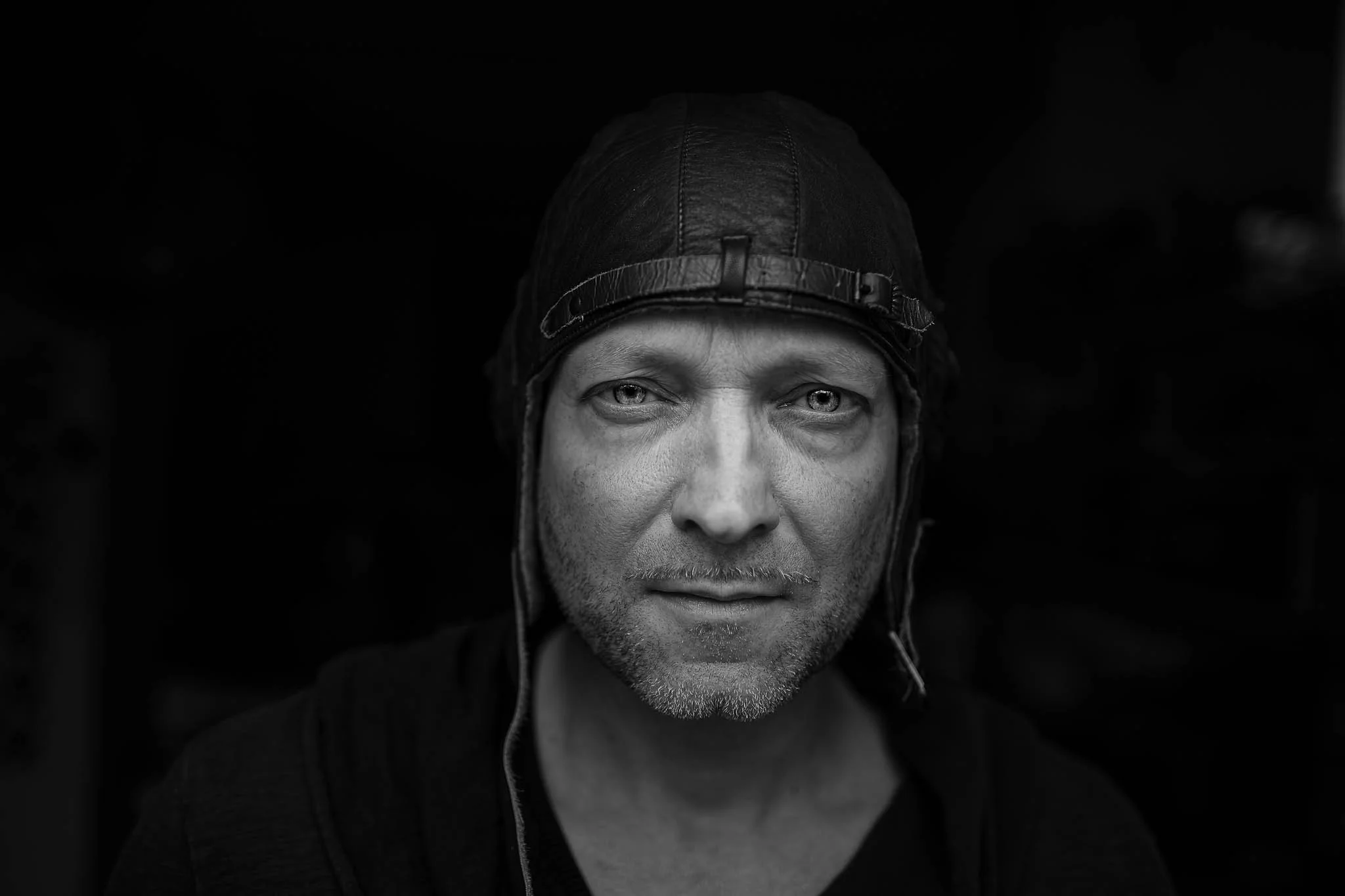
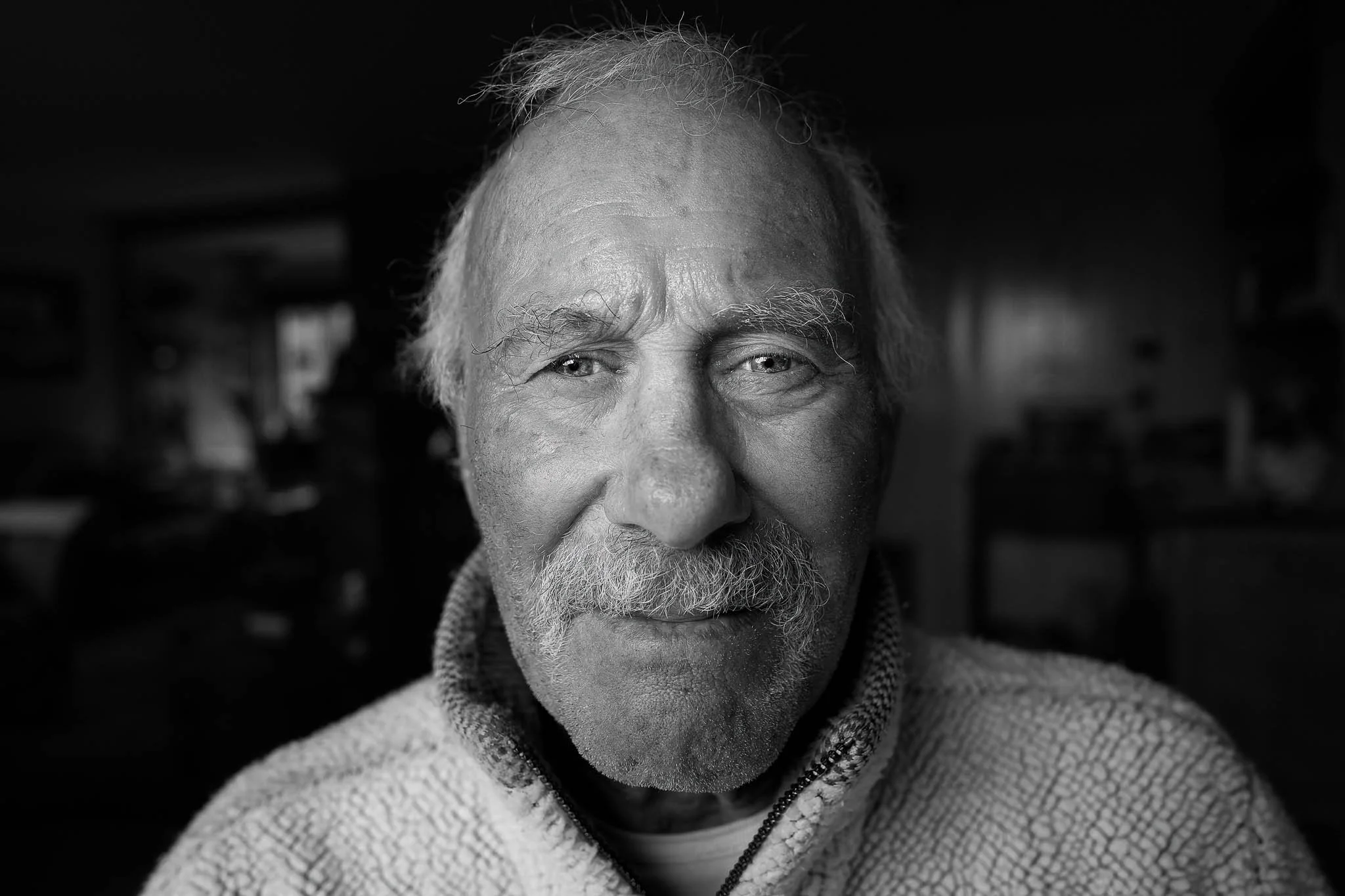
Each LightKeep subject is photographed using a Leica Summilux 28mm f/1.7 lens — a lens chosen for its extraordinary optical fidelity at close range. At this focal length and aperture, the lens resolves detail normally available only in medium format: the catchlight in an eye, the texture of aged skin, the particular way light falls on a face that has lived a long time.
I shoot exclusively in RAW. Post-production begins with finding the black point in the tonal range and building outward from there — a process that replicates the tonal character of silver plate: deep, luminous blacks, compressed highlights, the sense of light emerging from within rather than falling upon. The eyes are always the anchor. Focus is set there first, and everything else — composition, framing, depth of field — is built outward from that point.
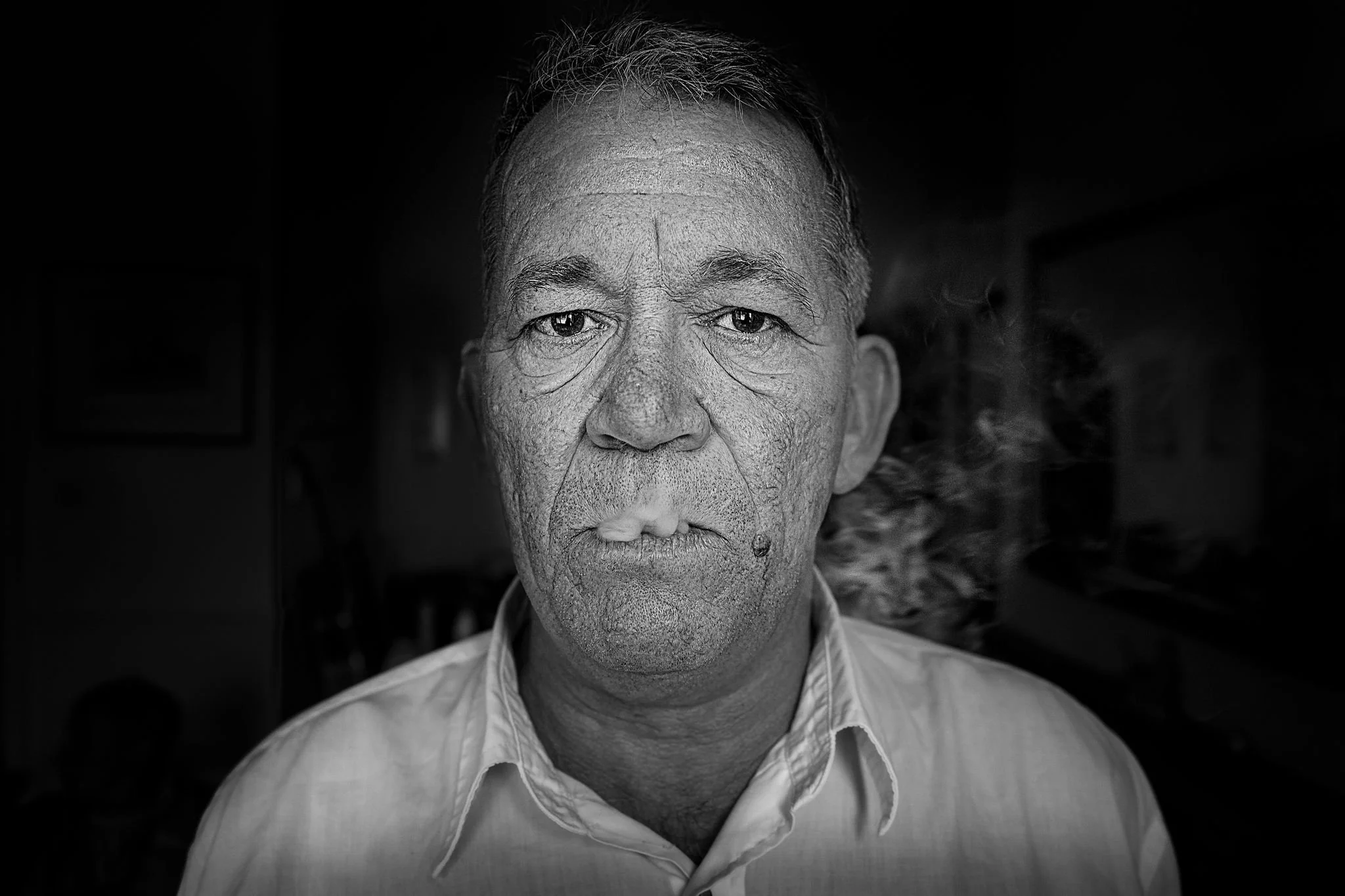
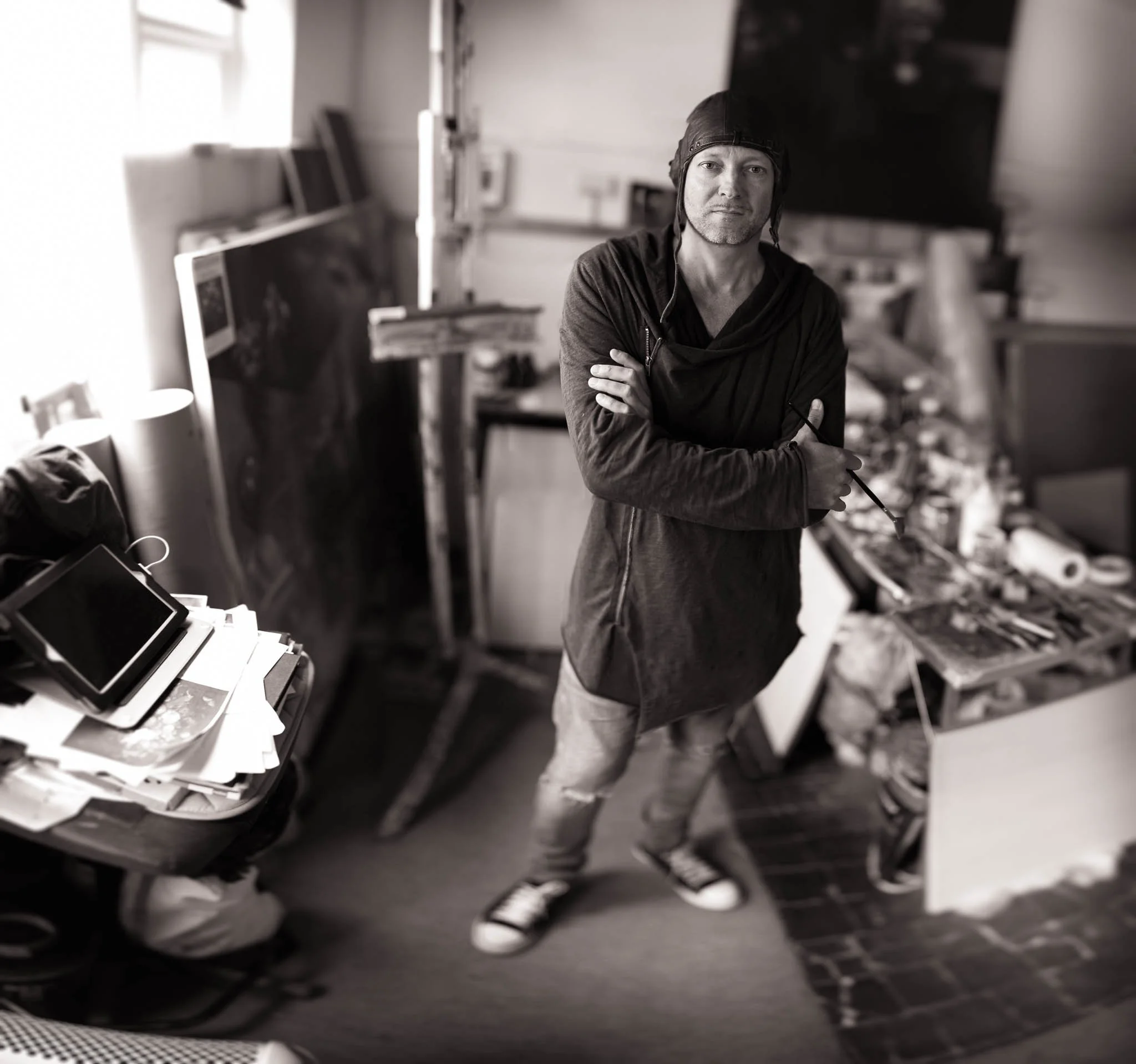
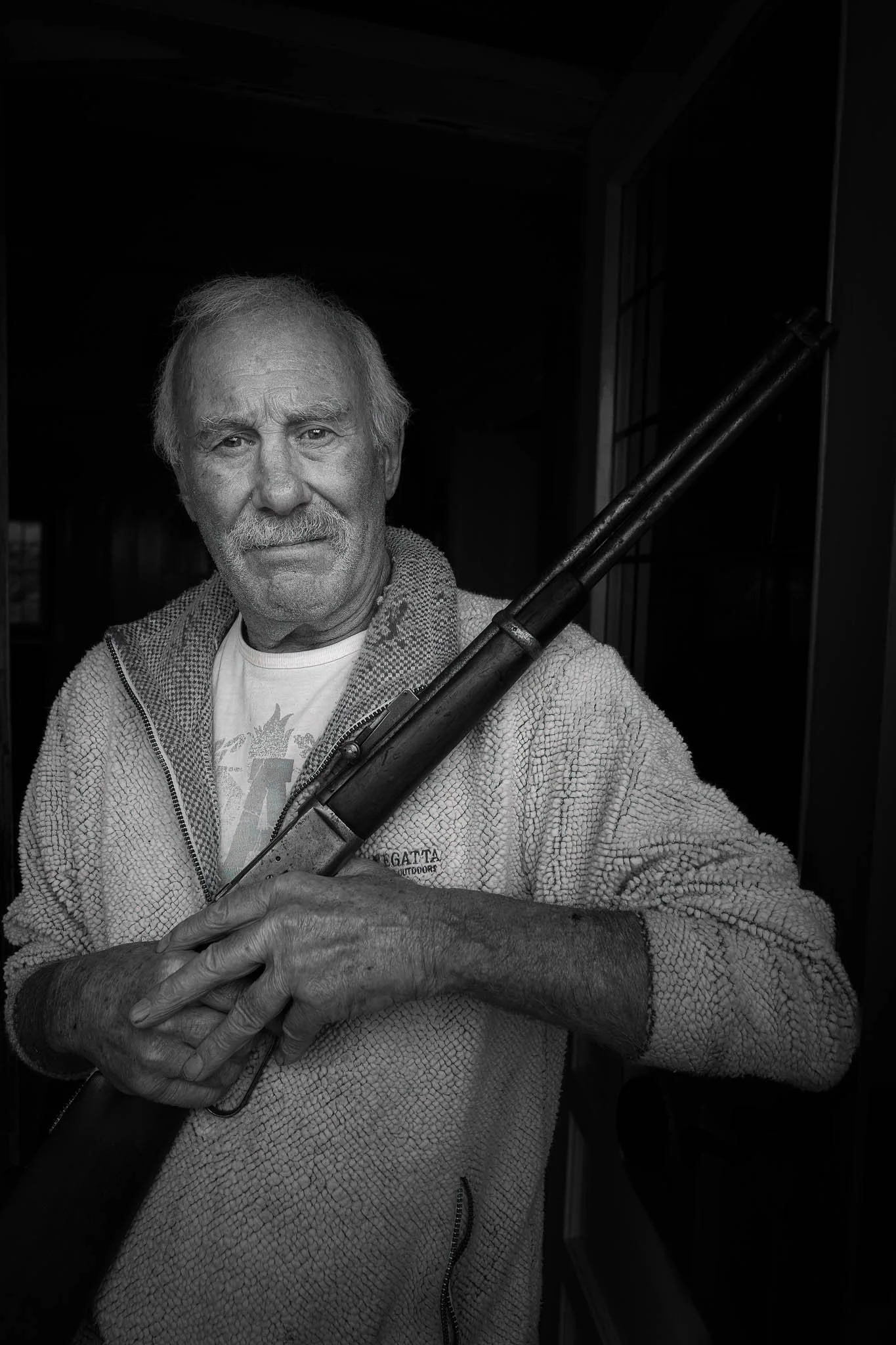
Every subject receives two portraits. The first is the definitive close portrait: eyes to camera, extreme proximity, the full fidelity of the lens at its widest aperture. This is the soul — unmediated, direct, present. The second is an environmental portrait made in the subject's home, using available light only. This is the life — the context, the accumulated detail of a place that has been lived in. Together they do what the daguerreotypists understood: they describe a life, not just a moment.
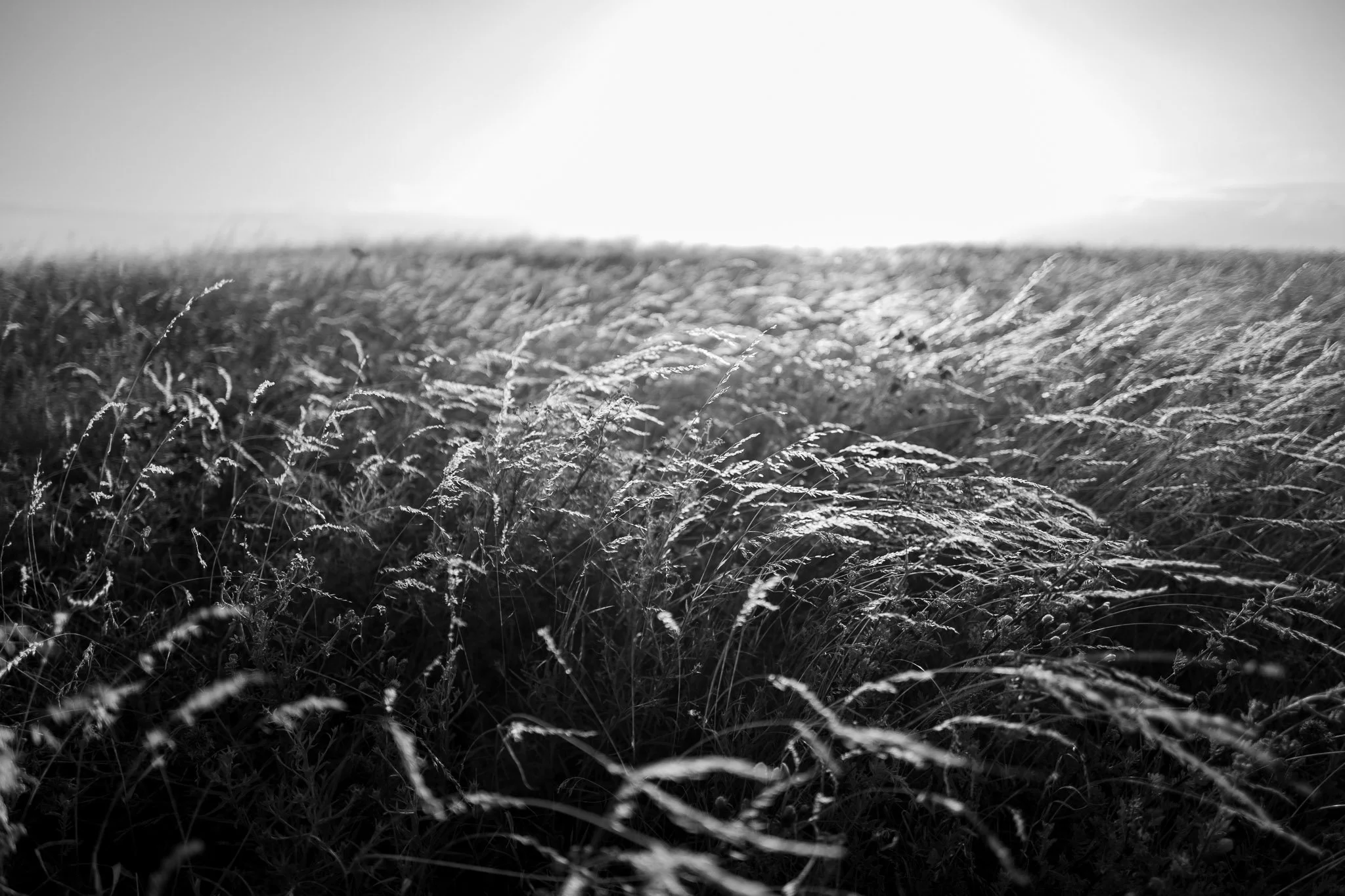
Where possible, subjects are also photographed outside their homes — in the village, in the landscape, in the places that formed them. The extreme close portrait places you in front of a person. The contextual portrait places that person in the world.
About the artist
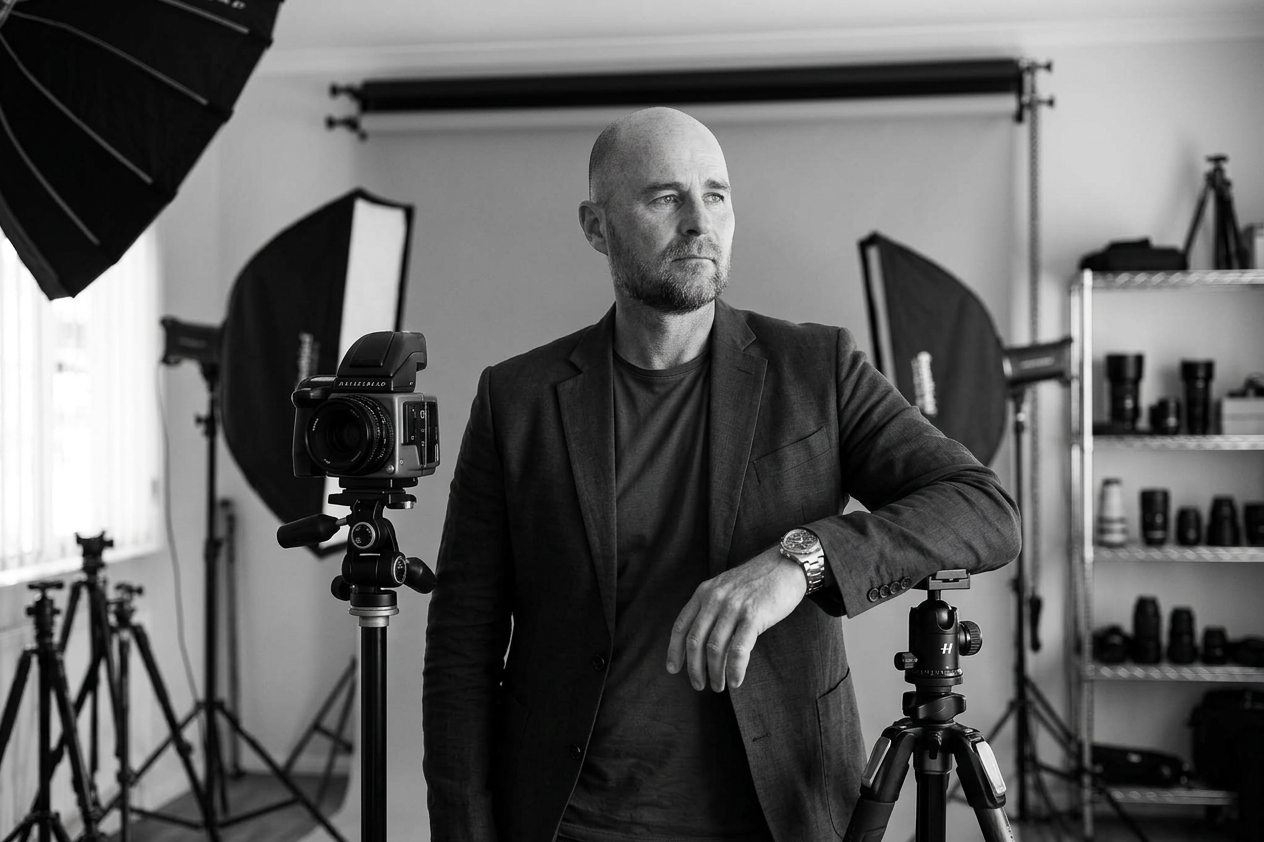
I am Wayne Matthews-Stroud — a photographer, documentary filmmaker and creative director based in Rottingdean. I have worked in photography and narrative storytelling for over twenty years, with a background in documentary film, scriptwriting and long-form visual work.
Over the past two years I have been developing a black-and-white portrait practice inspired by the daguerreotype tradition — the kind of image that holds a face with extraordinary resolution and stillness. LightKeep applies that practice to something that feels urgent and necessary: preserving the lives and memories of a generation while there is still time to do so.
What we are looking for
LightKeep is actively seeking subjects, venues, partners and advocates.
If you are an older resident of the villages with a story to tell — or if you know someone who is — please get in touch. If you represent a gallery, a community space, a library or a funding body, we would love to talk. If you simply want to follow the project as it grows, you are welcome here too.