
Small Points of Light
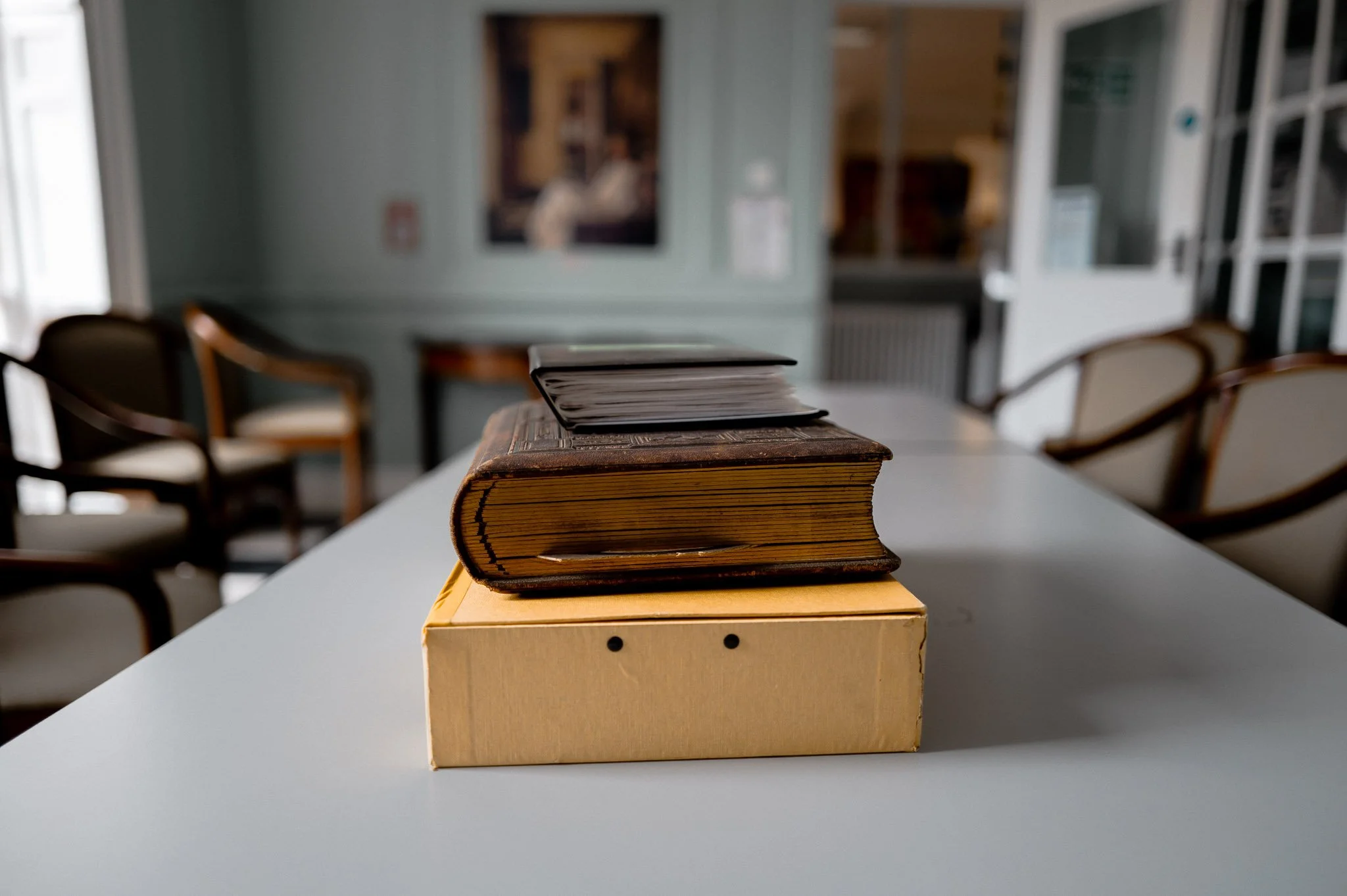
Mike presented me with a box, an old leather album and a small collection of miscellaneous and unnamed photographs
Mike was in touch to say he had found some interesting old photos which he thought I'd like to see. He led me into the archive at The Grange — first through an anteroom hung with paintings of former residents, each of whom he introduced with a quick, affectionate potted history, as though they'd only recently left the room.
He presented me with a box, an old leather album and a small collection of miscellaneous, unlabelled photographs. Opening the album, I was met with faces staring out of the past — gelatin silver prints, most of them, that particular silver-grey depth the process gives, where the highlights seem lit from somewhere behind the paper. There is a stillness to photographs of this kind that modern images never quite have. The long exposures asked people to hold themselves motionless, and so what you get isn't a snapshot but a held breath: a whole life pressed into a single unmoving moment, composed, formal, and utterly frozen. And beside them, something I didn't really expect to be holding — a cellophane packet of letters, carefully preserved, sent home from the Western Front in the First World War.
They belonged to a Rottingdean village postman who was called up to the trenches. Like so many men who came back, Mike explained, he rarely spoke of whatever he had lived through in that Great War. But he wrote his sweetheart letters. Lots of letters. Gentle, heartfelt epistles written in elegant longhand, full of kindness and empathy. Practical updates about the weather and rations; his health and latest posting. His essential link to the happy village he called home.
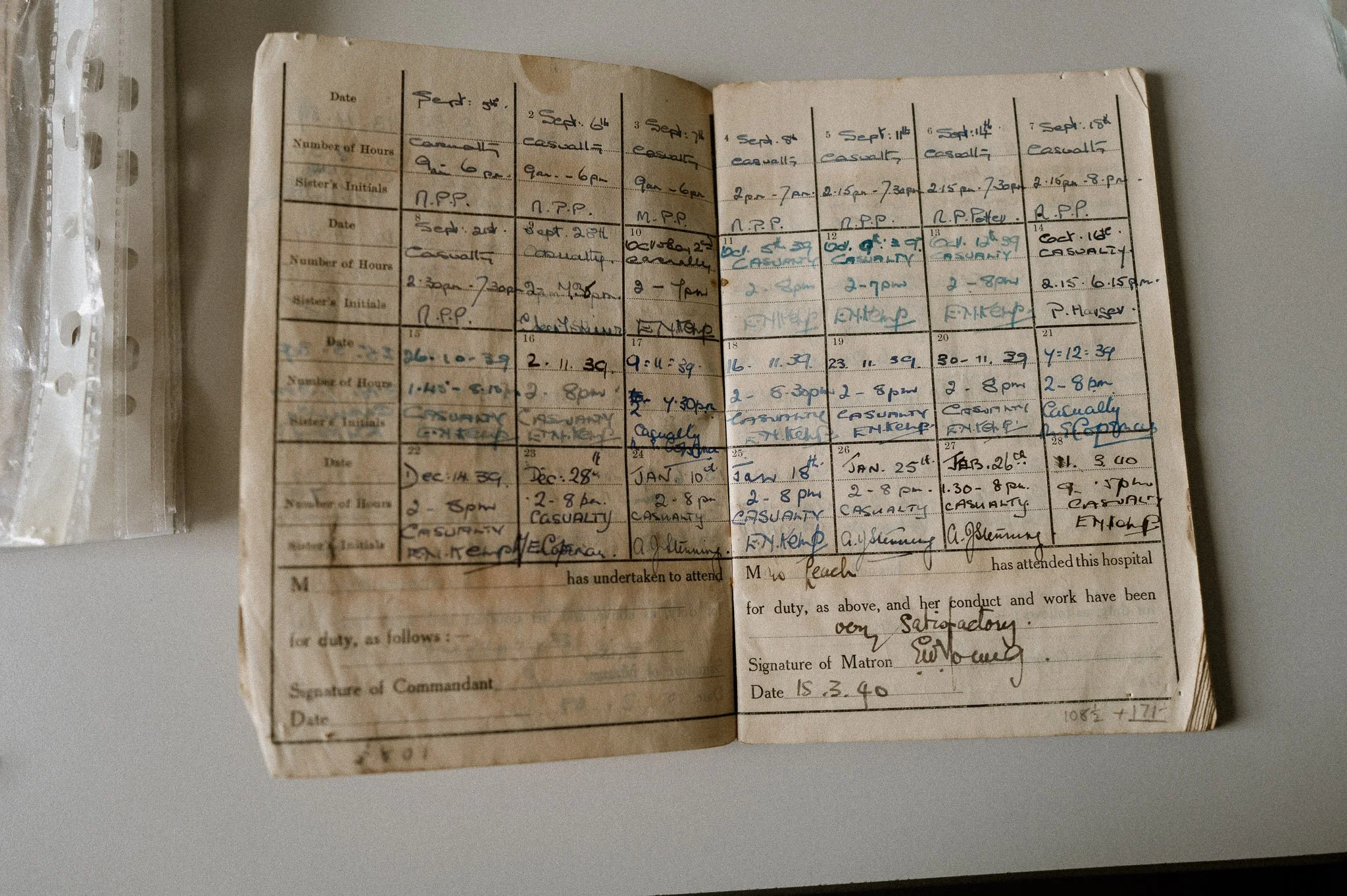
Reading some of these, I wondered where these notes were composed, and under what conditions. Were they penned during an endless night of shelling, with danger a constant presence there in the candlelight? Or were they written in the fragrant herb garden of a French farmhouse? The next box I opened contained faded documents: ration books, a nurse's schedule annotated in the matron's hand, the small paper evidence of ordinary wartime lives, all of it lovingly preserved and itemised by Mike and the volunteers he has worked alongside over the years.
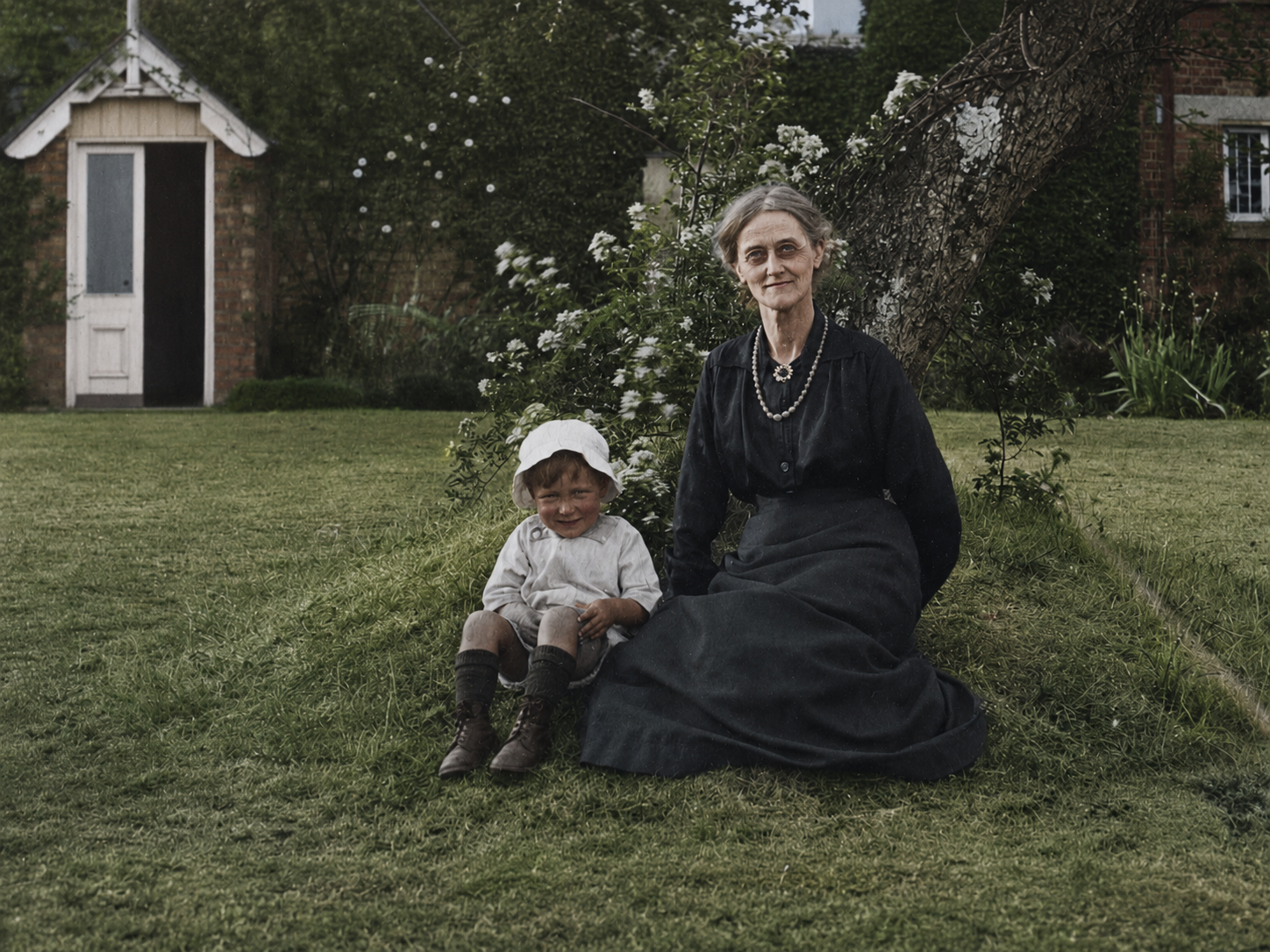
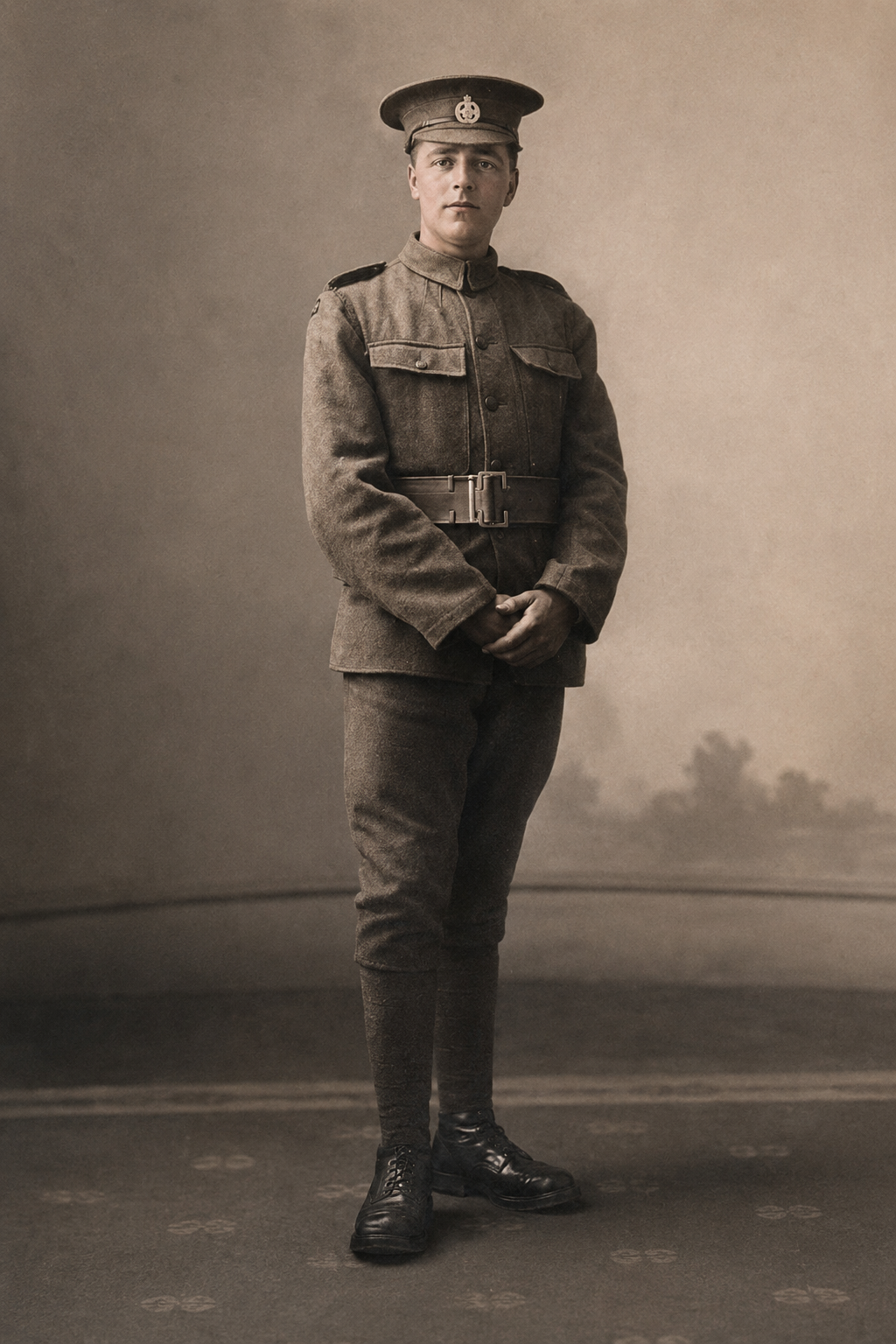
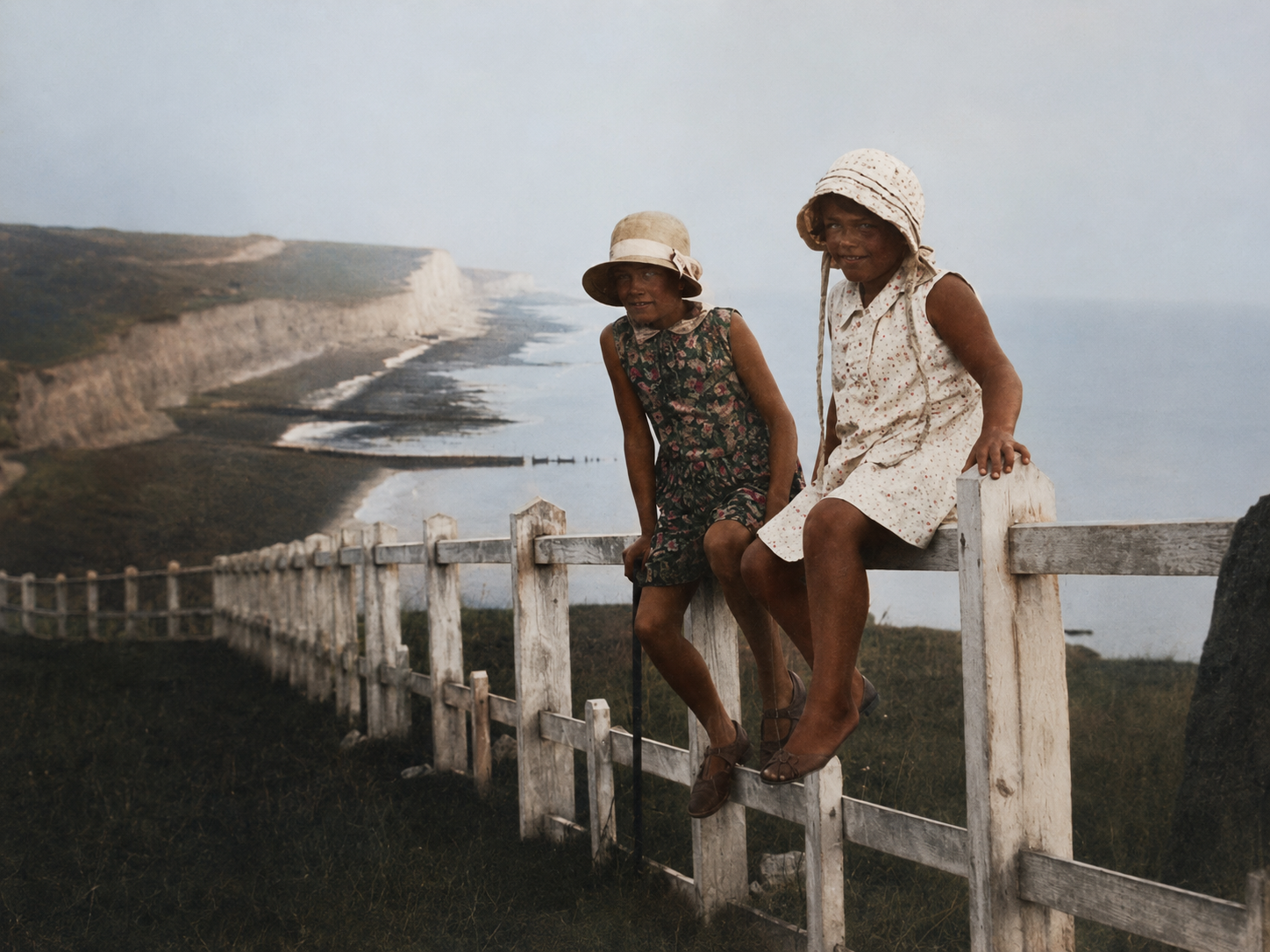
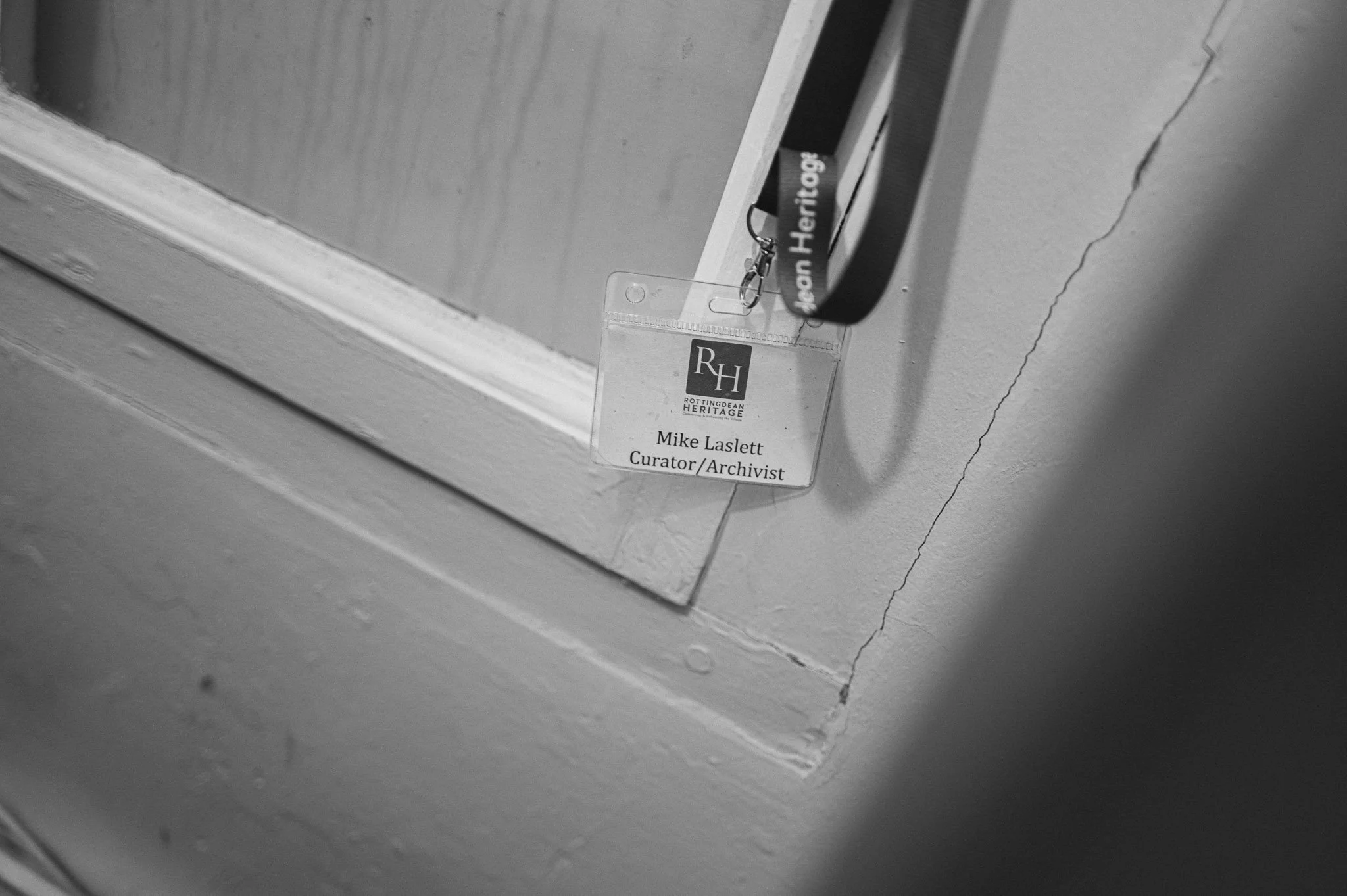
And that is only what he happened to place in front of me. The archive itself — a narrow, cool room inside The Grange — holds row upon row of it. Birth certificates, death certificates, newspaper clippings, photographs, documents filed and ordered and protected. At first glance it looks like any room of records. Then you begin to understand what you're actually looking at: entire lives, stacked and organised and waiting. A keep of memories.
For me, as a photographer and a storyteller, they are something more particular. They are stories. So many stories — waiting to be brought back to life.
That might just be my response to these intimate windows into the past. But there is an immediacy to these faces that surprised me. I opened the first folder and found people looking back at me in unfamiliar clothes but from an entirely familiar place — the same village, the same streets, the same buildings I know. The same buildings I walked past this very day. Mike joked that it's sometimes hard for him to see today's village in colour — he spends so much of his time looking at it in black and white. And I knew exactly what he meant, though for me it was the reverse: the past was swimming into focus, in full, vivid colour. The tapestry of a community, told and retold, held safe by people like Mike who long ago saw the value in what came before and made the effort to keep it. So that we don't forget the people who lived these lives — and so that we have some context for our own.
Because that is the quiet gift of looking backwards: it tells you something about your own time. Seeing those children stare out of the black-and-white photographs, knowing most of them are long gone, is a powerful thing. If anything it sharpened the urgency I already feel to record the people who are still here, while they still are.
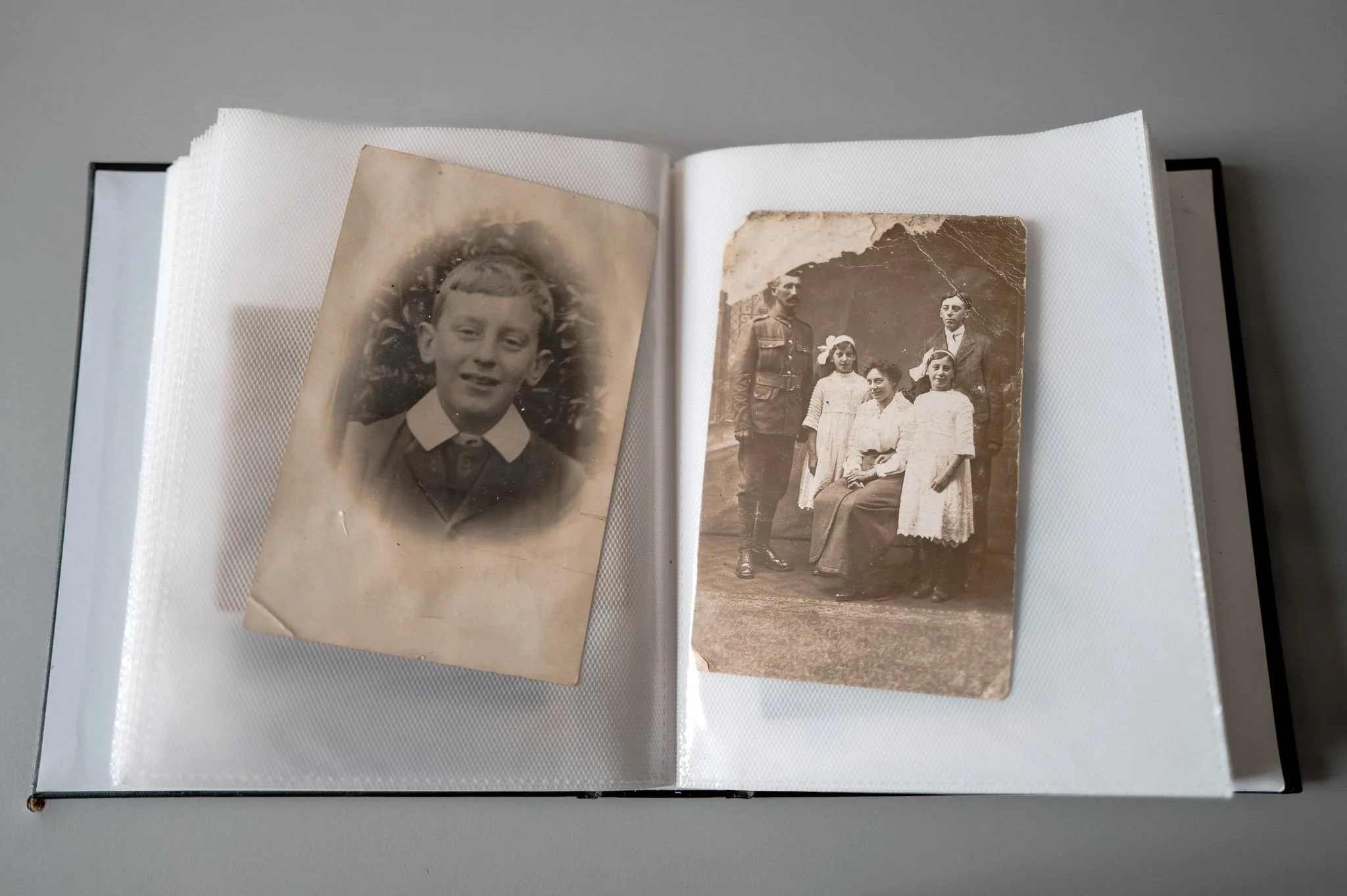
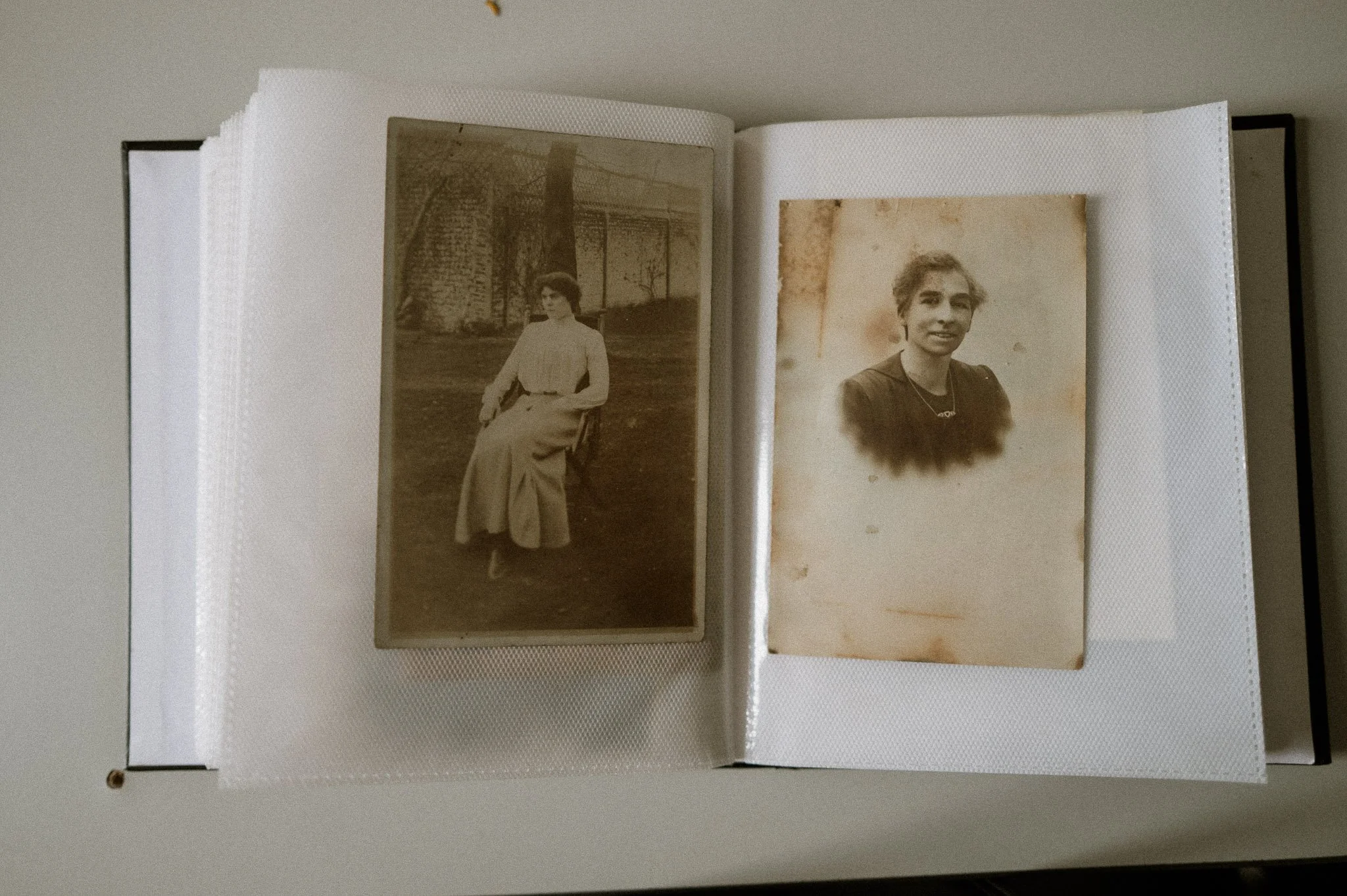
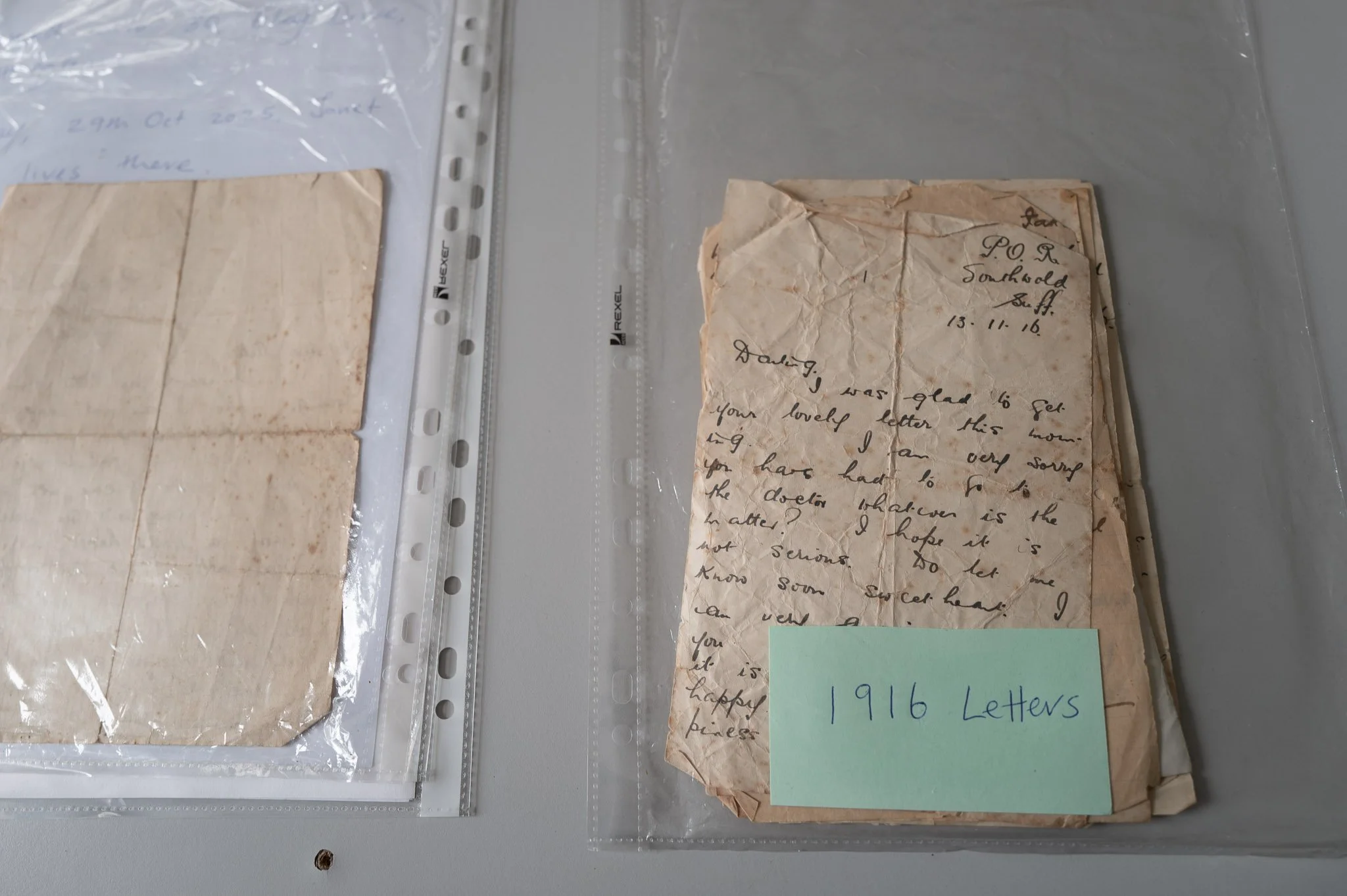
But it started another thought too. These stories are sitting quietly in a cool room, many of them perhaps never really told. Not fully. And I find myself in a fortunate position: I have modern tools — video, photo restoration, the slow detective work of piecing a life together from documents and search and technology — that might let me bring some of them back. Not to disturb what the custodians have protected, but to add to it. To take a face and a bundle of papers and rebuild the life around them. One at a time.
I don't know yet which stories those will be. Mike will have ideas and suggestions. This was only a first, mesmerising glimpse. But the room is full of them — small points of light, waiting.
