
Surface Detail
Working on LightKeep has opened up a side project I didn't expect: restoring photographs from the archive at The Grange. Weddings, shopfronts, children on the beach, men in uniform — hundreds of images, some catalogued, some just loose in boxes.
Some of these photographs have sat in those boxes for decades, and who knows where before that: framed in a sunny window, tucked into the last page of a diary.
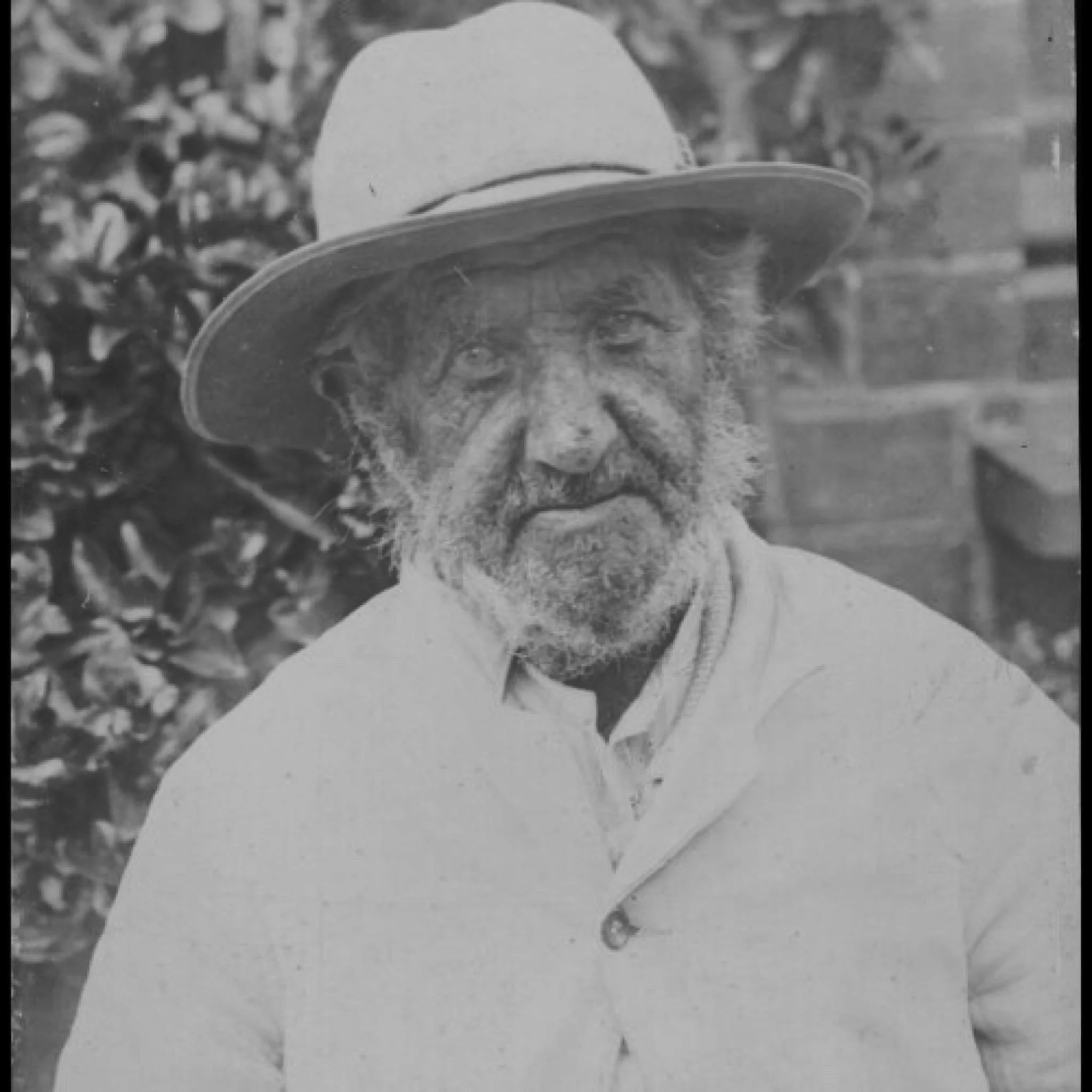
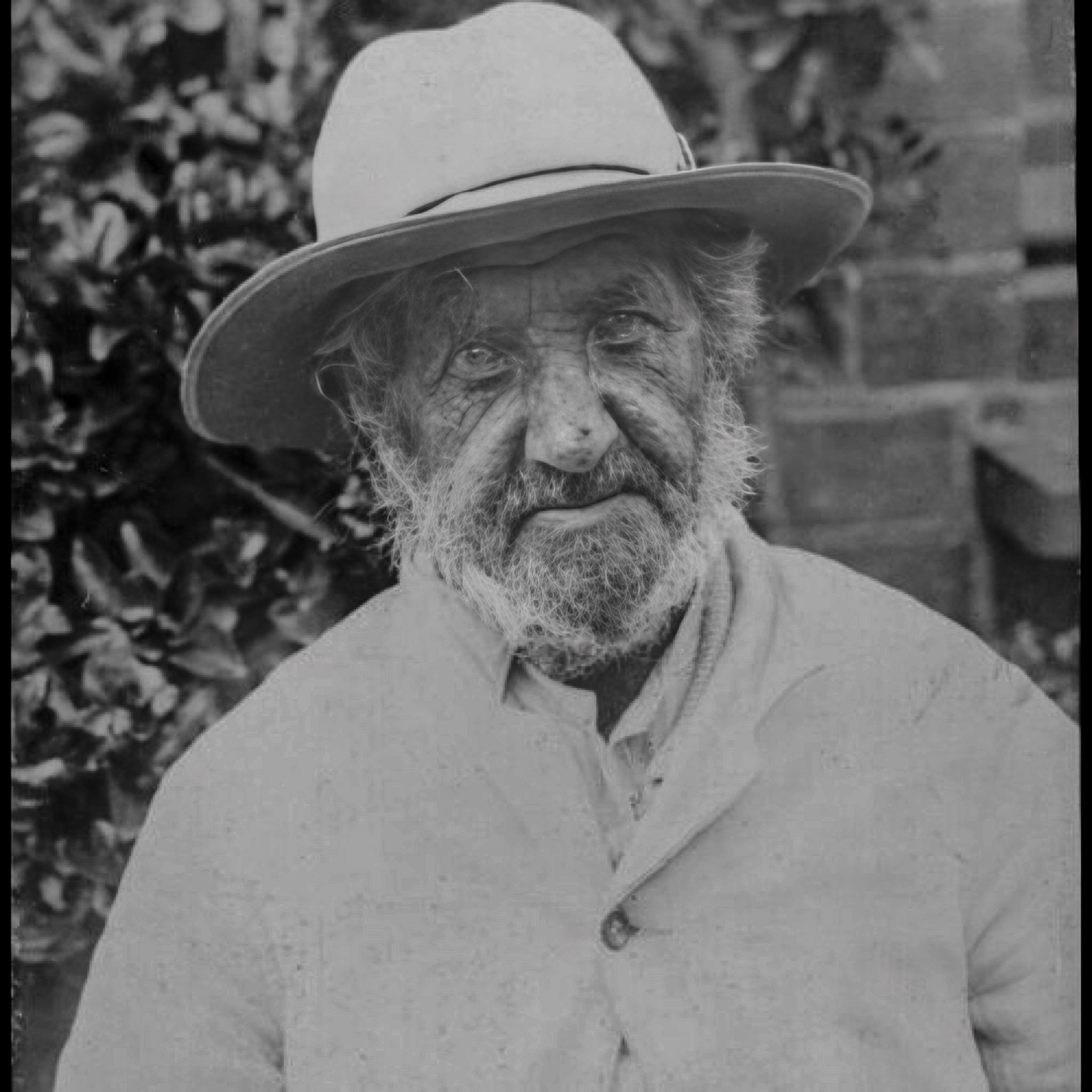
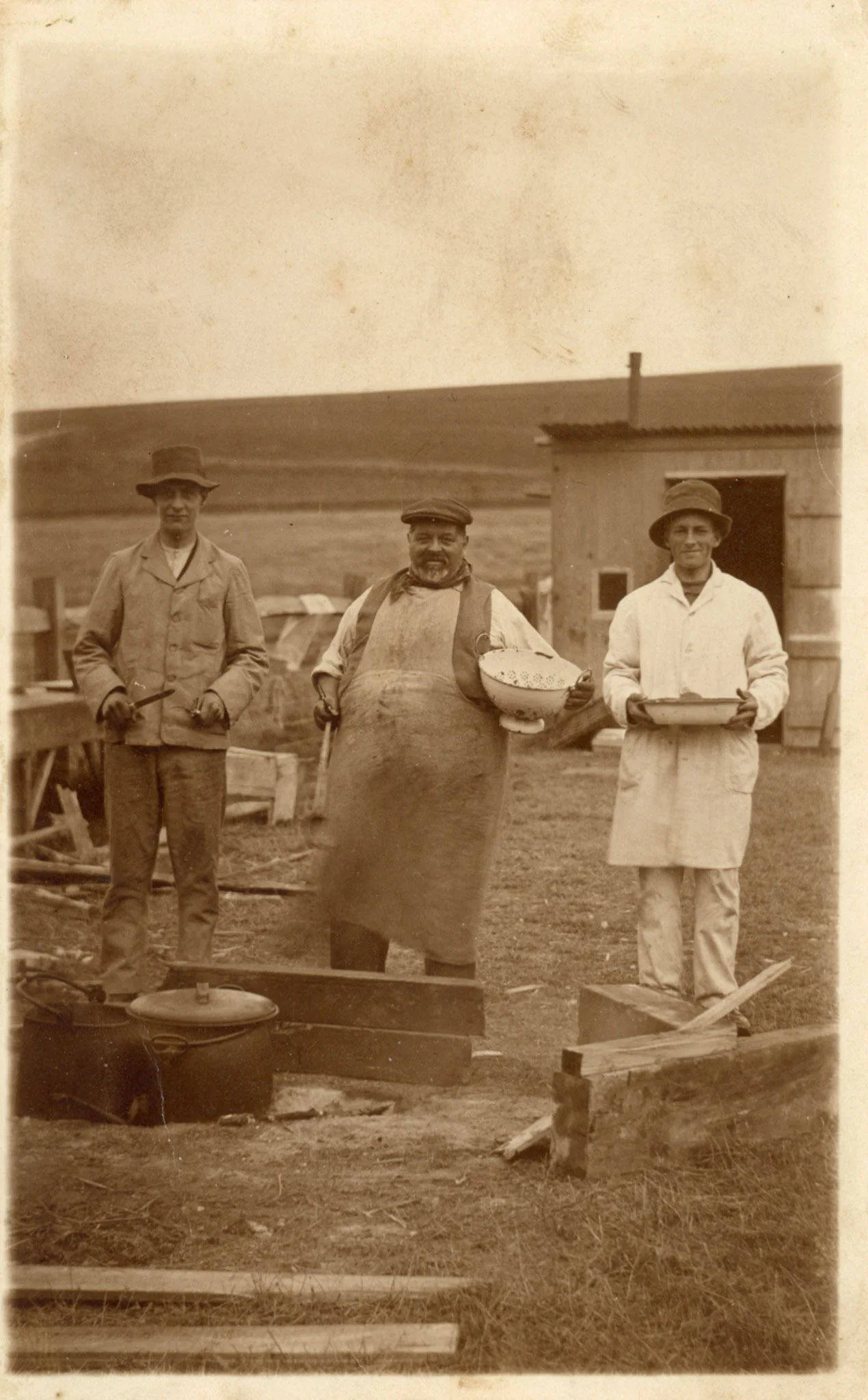
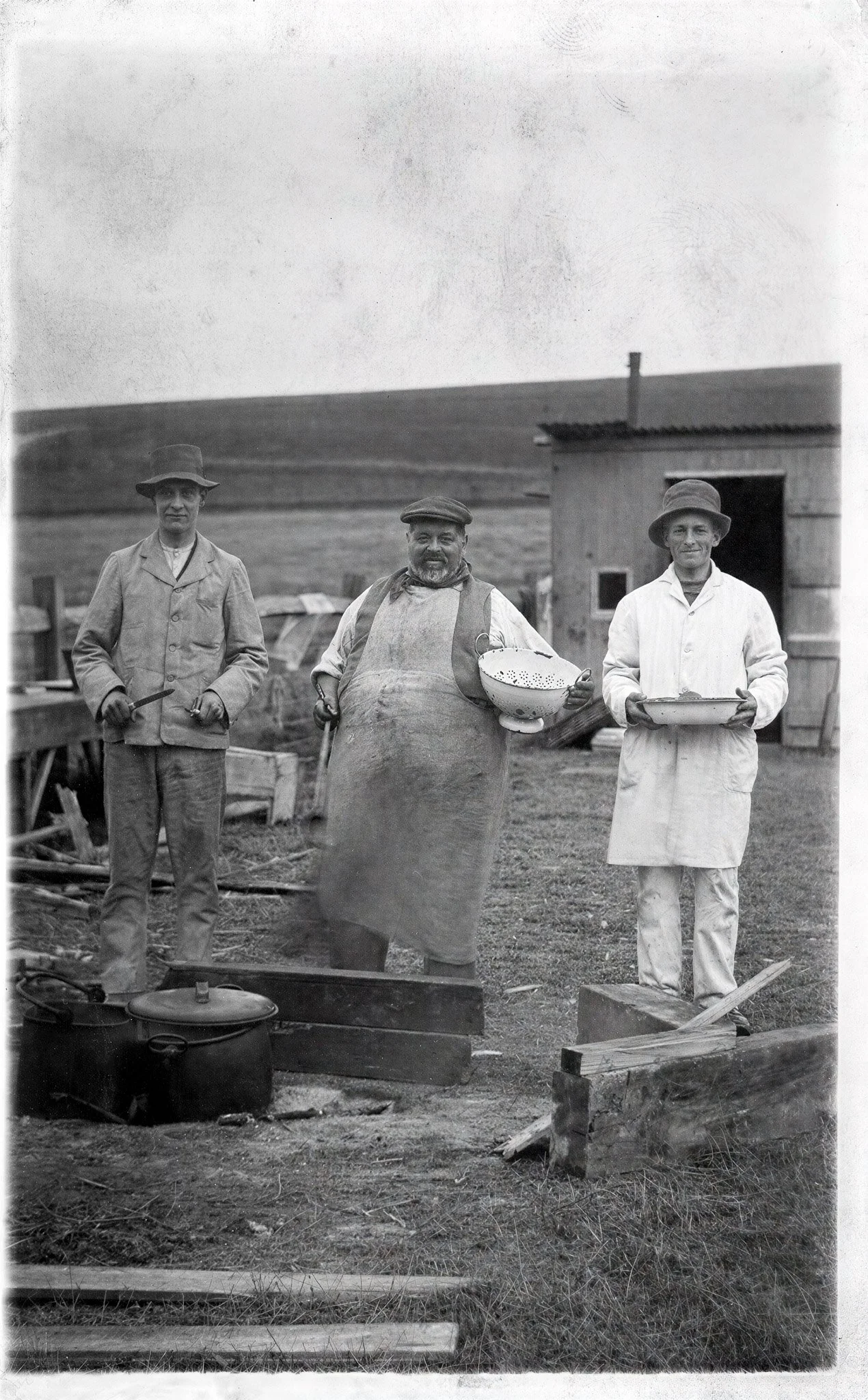
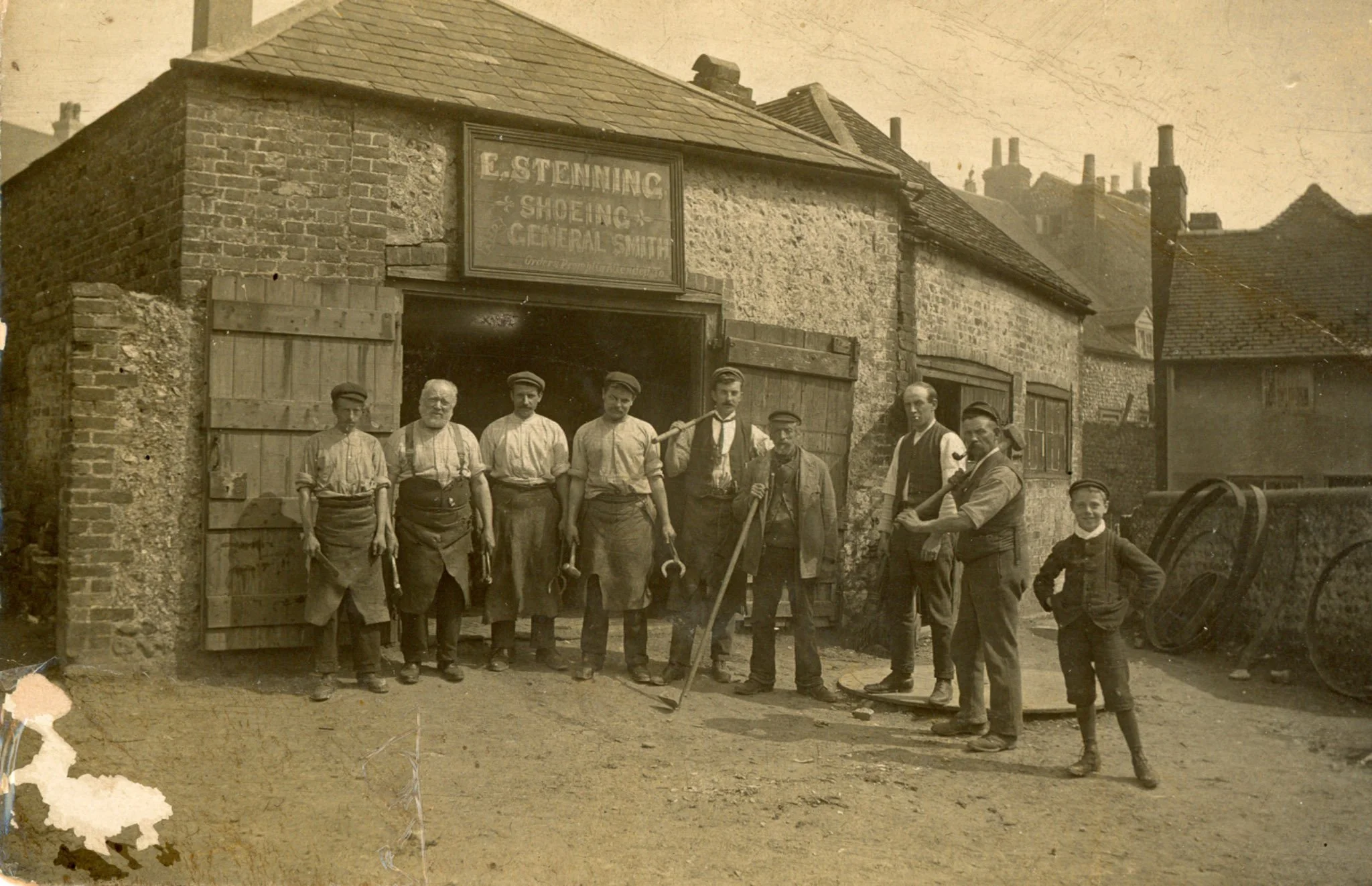
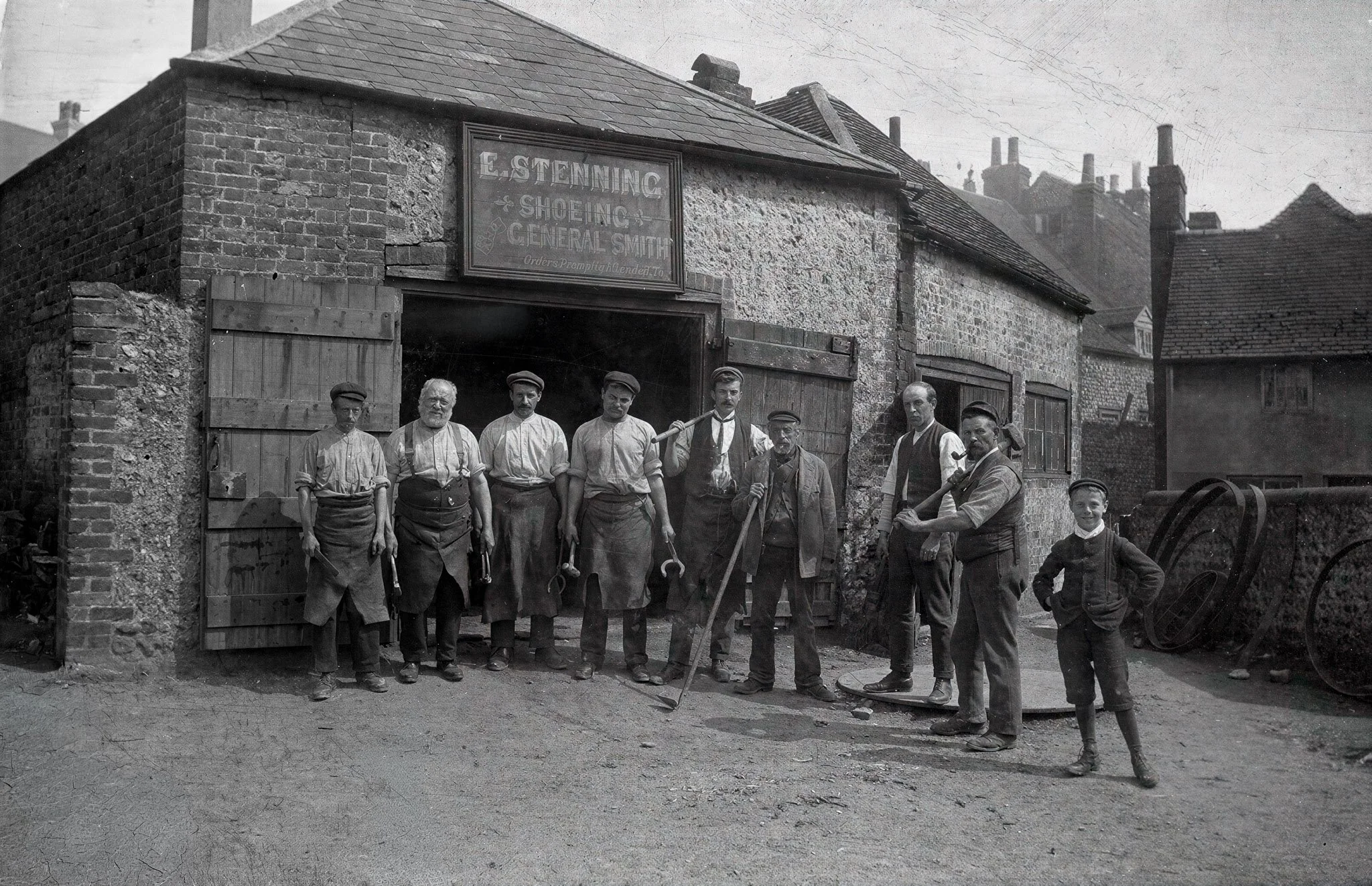
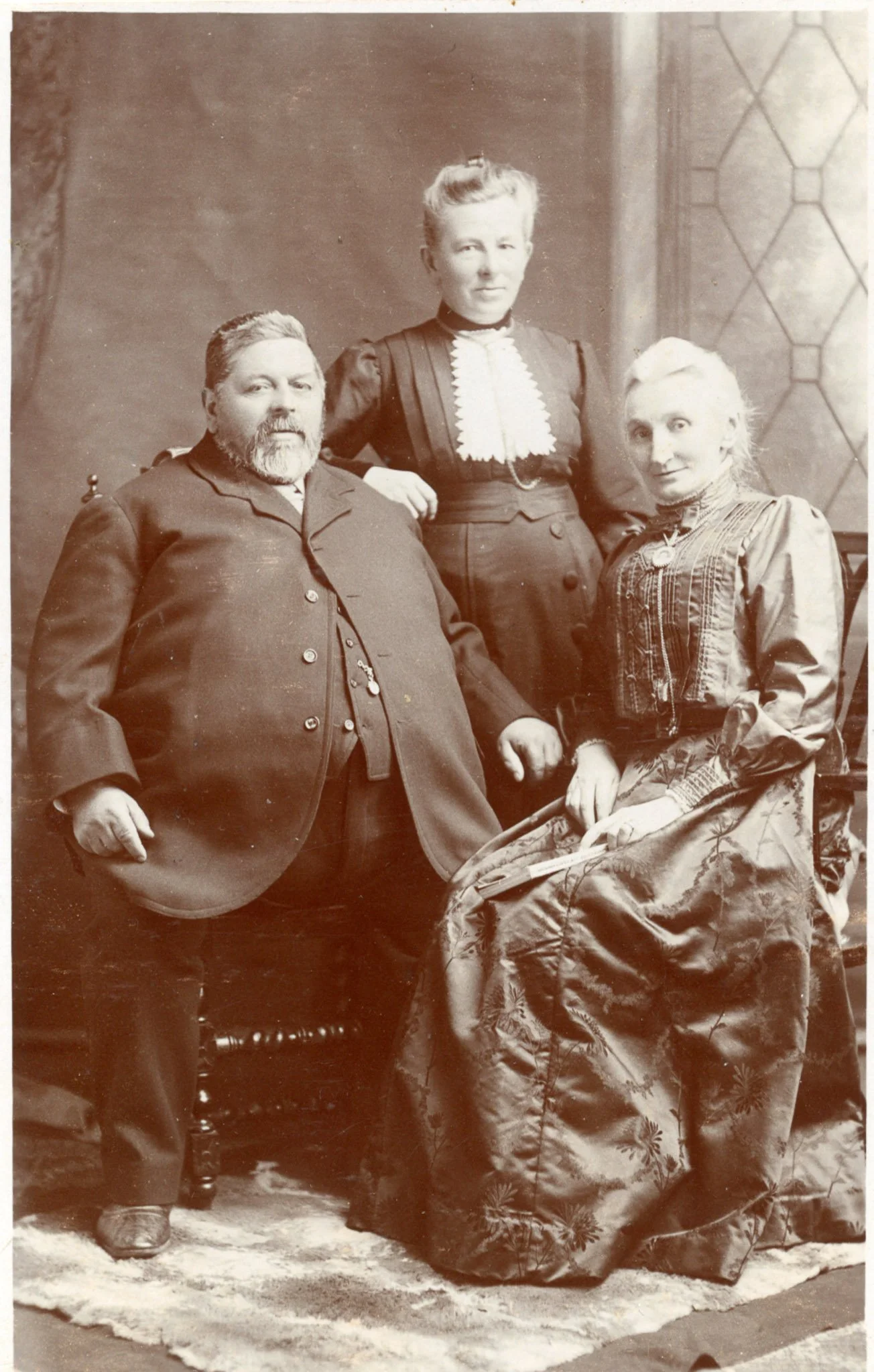
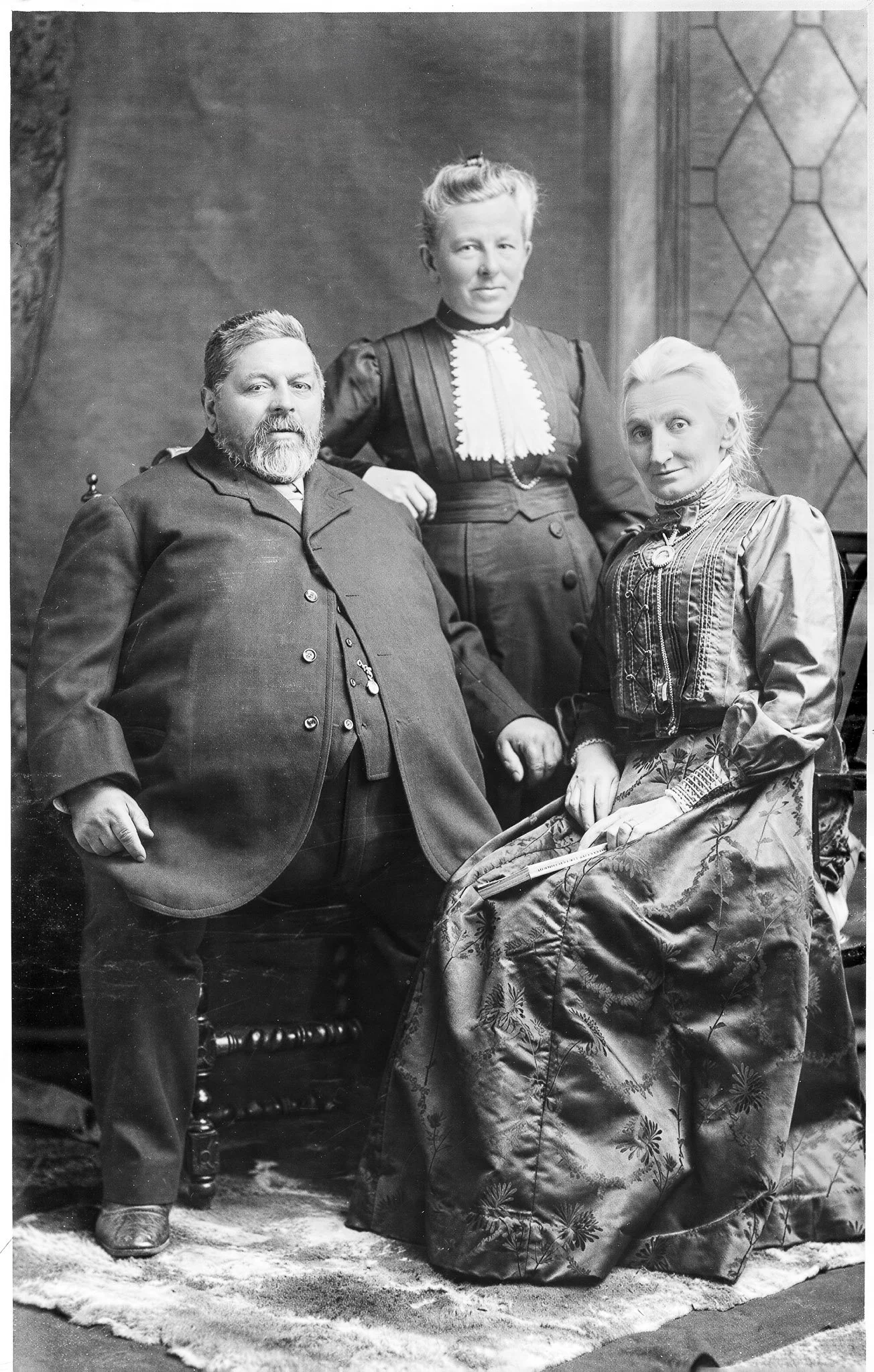
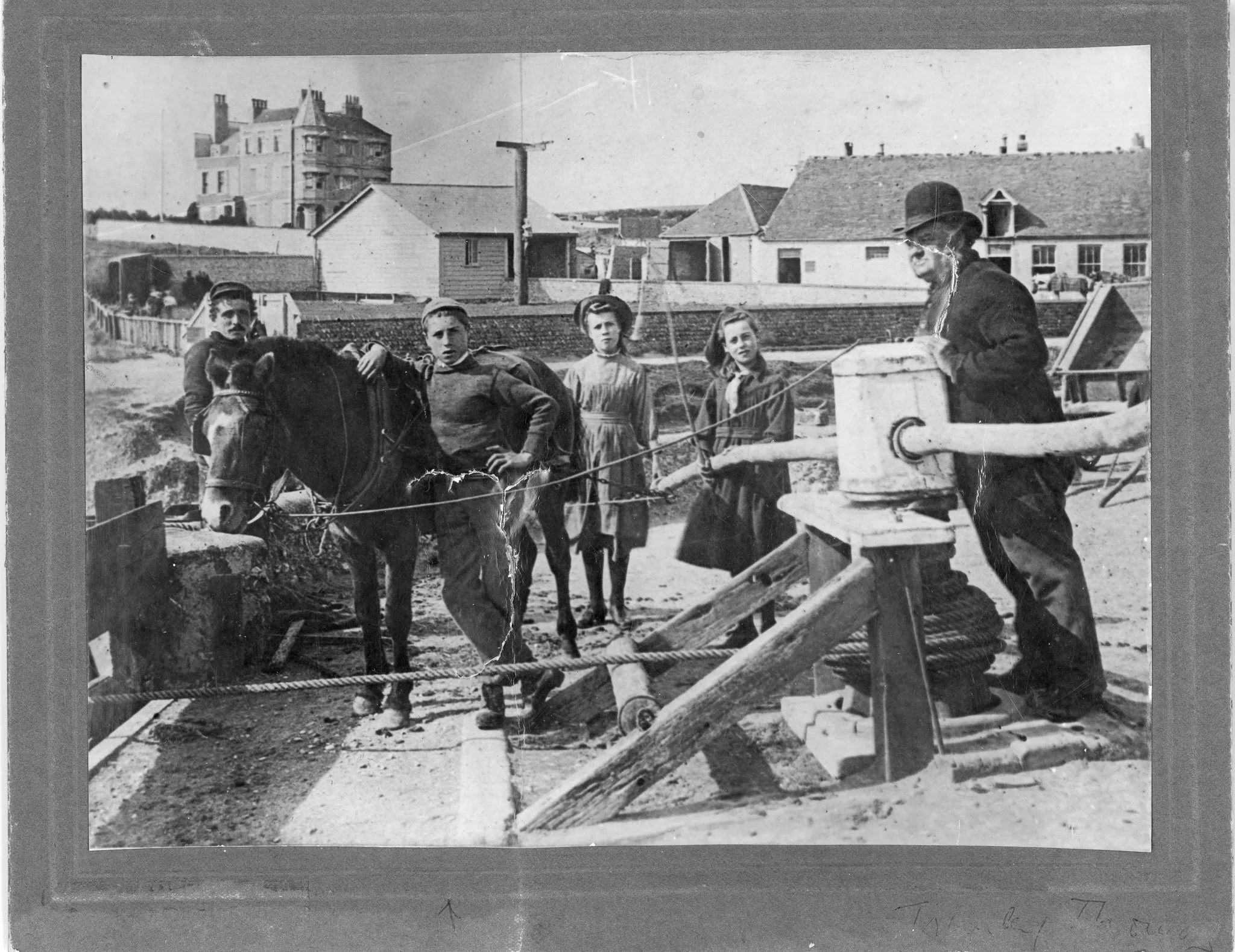
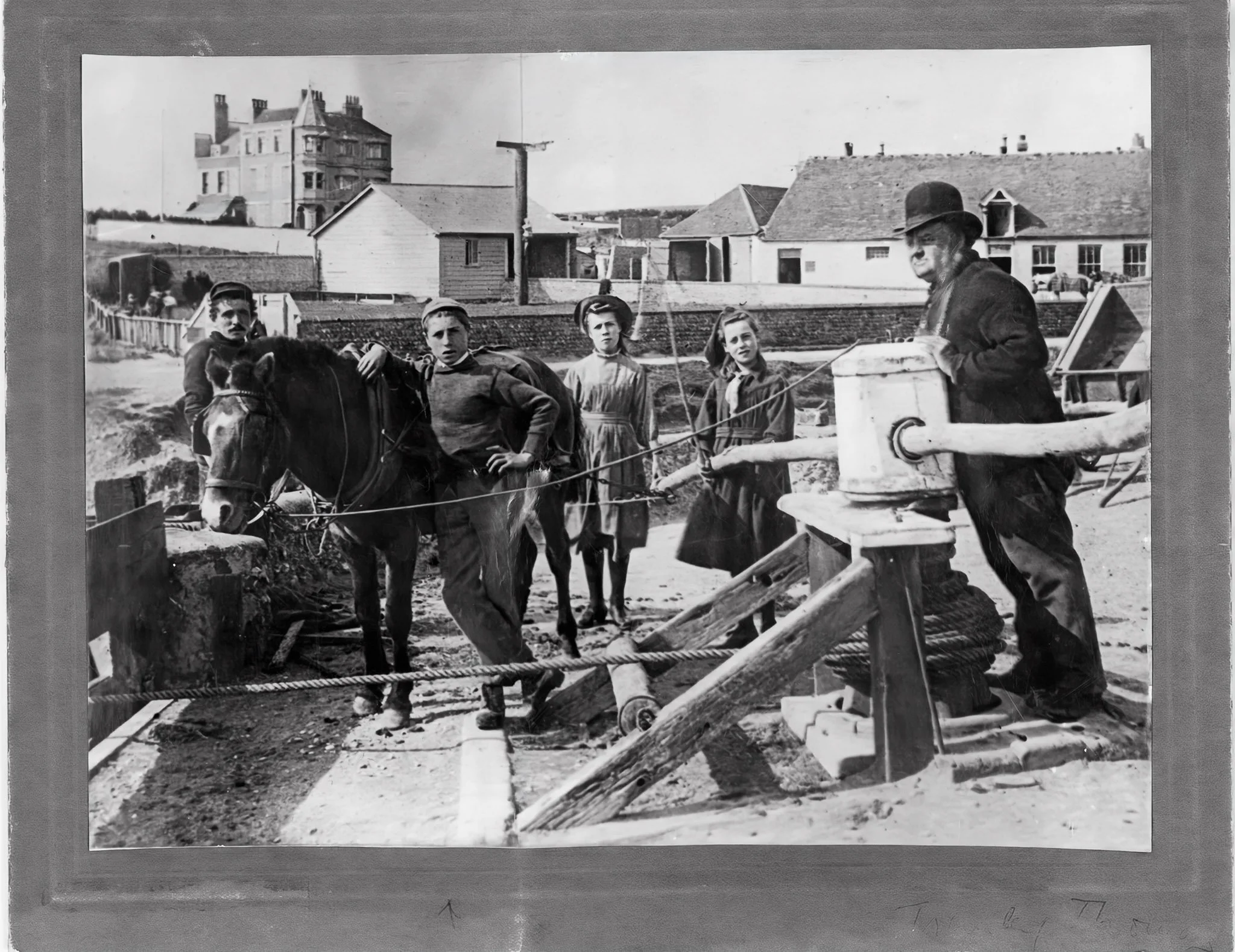
There's a version of "photo restoration" that's become very fast and very easy: type a prompt, ask an AI to "improve" the image, and it will invent a smile, sharpen an eye that was never in focus, smooth a face into something that never quite existed. That's not how LightKeep works. Archival material like this has to be approached as a historian approaches a primary source, not as someone trying to get work out the door — which means never asking AI to generate or alter anything in these photographs.
The rule I work to is simple: restore the surface, never the substance. If paper is foxed, if there's a hair caught under the scanner glass, if damp has left a bloom across a corner — that's surface damage, and I remove it by hand, frame by frame, in Photoshop, the same way it would be lifted from a print in a darkroom. Nothing generated. Nothing invented. Surface detail.
If the damage has reached the person — a scratch through an eye, paper loss across a mouth — I stop. I'll spend a long time working out whether a mark can be honestly recovered from what survives around it, and if it can't, I leave it. A face I've partly guessed at is worse than a face I've left damaged. The archive doesn't need a better photograph. It needs the true one.
It's the same principle a conservator applies to a fresco, or a stained glass window that's lost a pane: clean the grime, stabilise what's flaking, but don't repaint the saint's face because you think you know what it looked like. The damage is part of the object's history too. The job is to protect what remains, not to improve on what was lost.
I've been developing this approach for years, long before LightKeep existed — learning to read what's actually happening in a piece of damaged paper, which marks lift cleanly, which don't, and when to stop. Some of the restored images will go back into the Grange Archives: photographs left fading in boxes for eighty years, given back their clarity, with nothing about them untrue.
There are boundaries in this kind of work. Foxing, scratches, eighty years of damp and light — these are blemishes, patina, the wear of age. They live on the surface, and in some cases, carefully and sensitively, they can be restored by hand. But a face, an expression, the particular way someone stood — that's deeper. That's historical record, and it isn't touched. The person in the photograph remains exactly who they were. The only changes are surface details.
