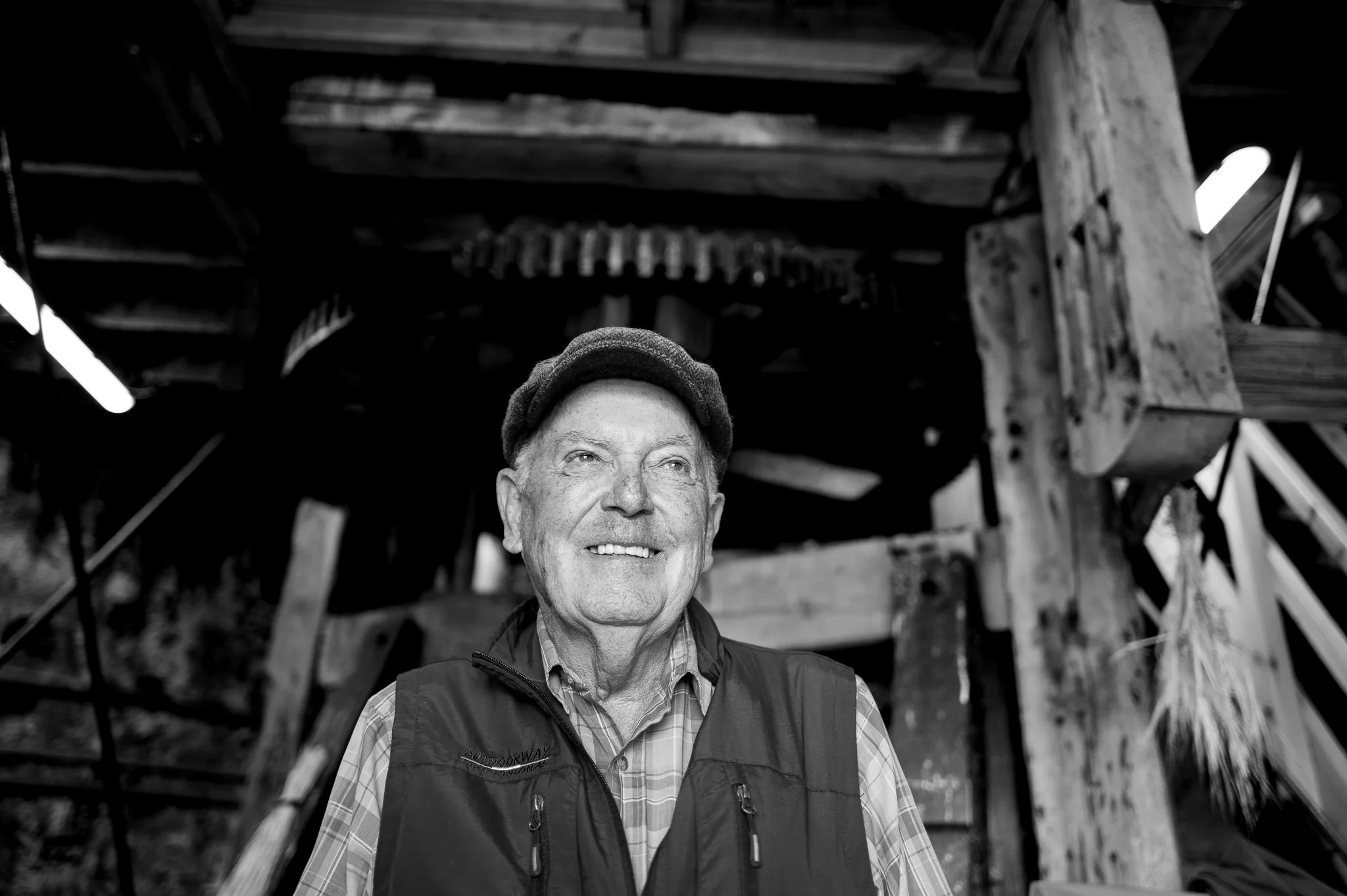
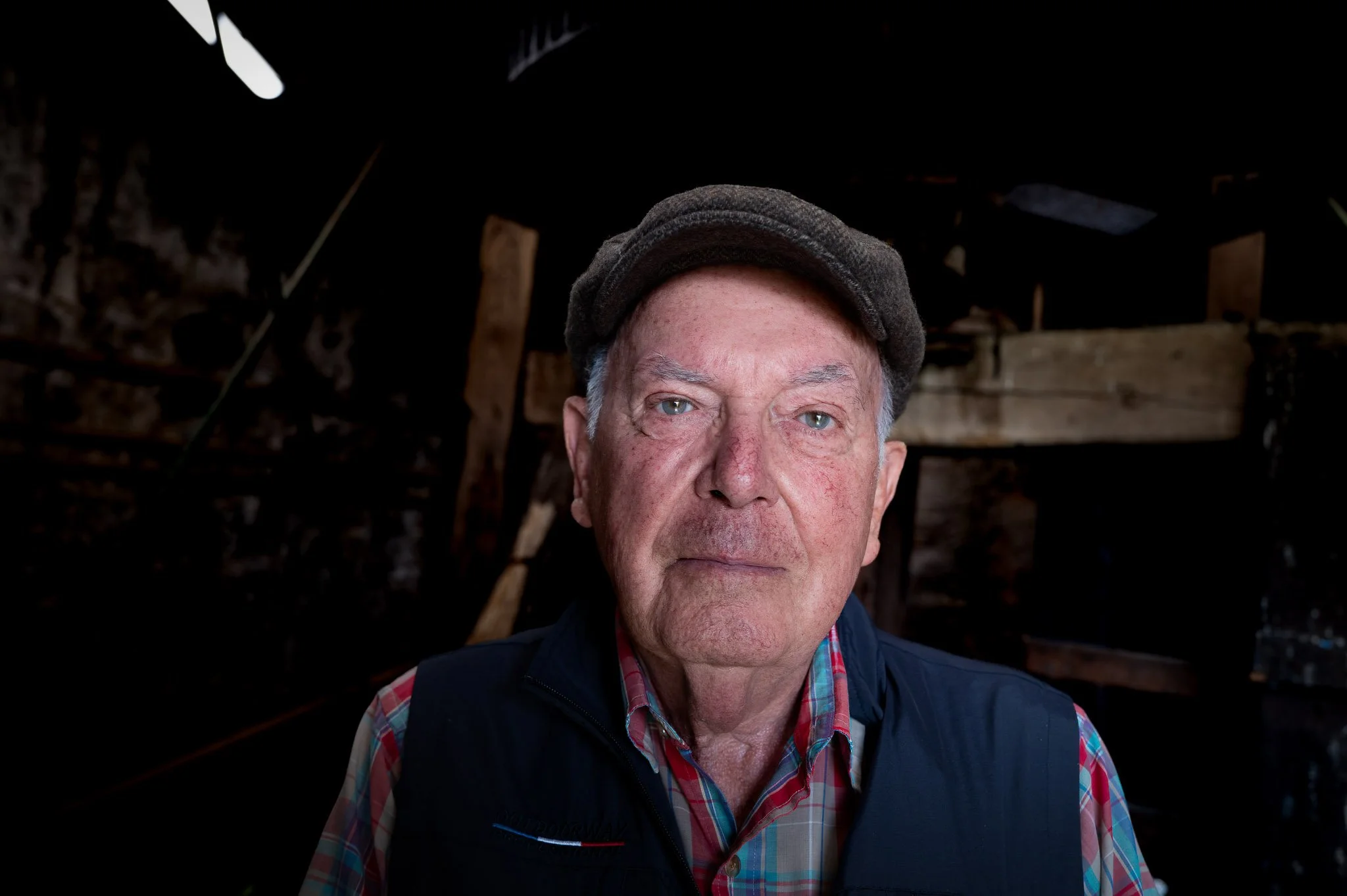
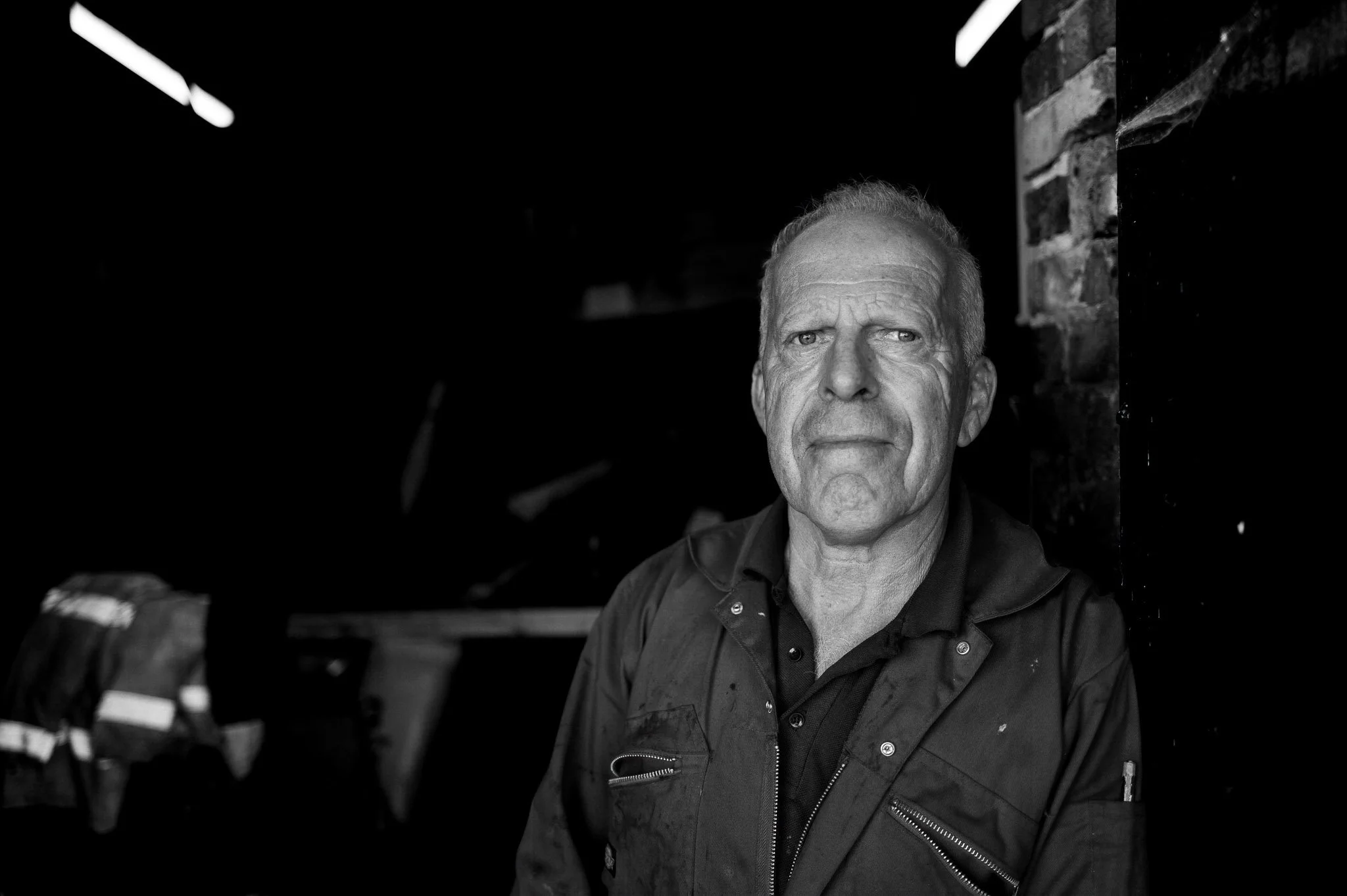
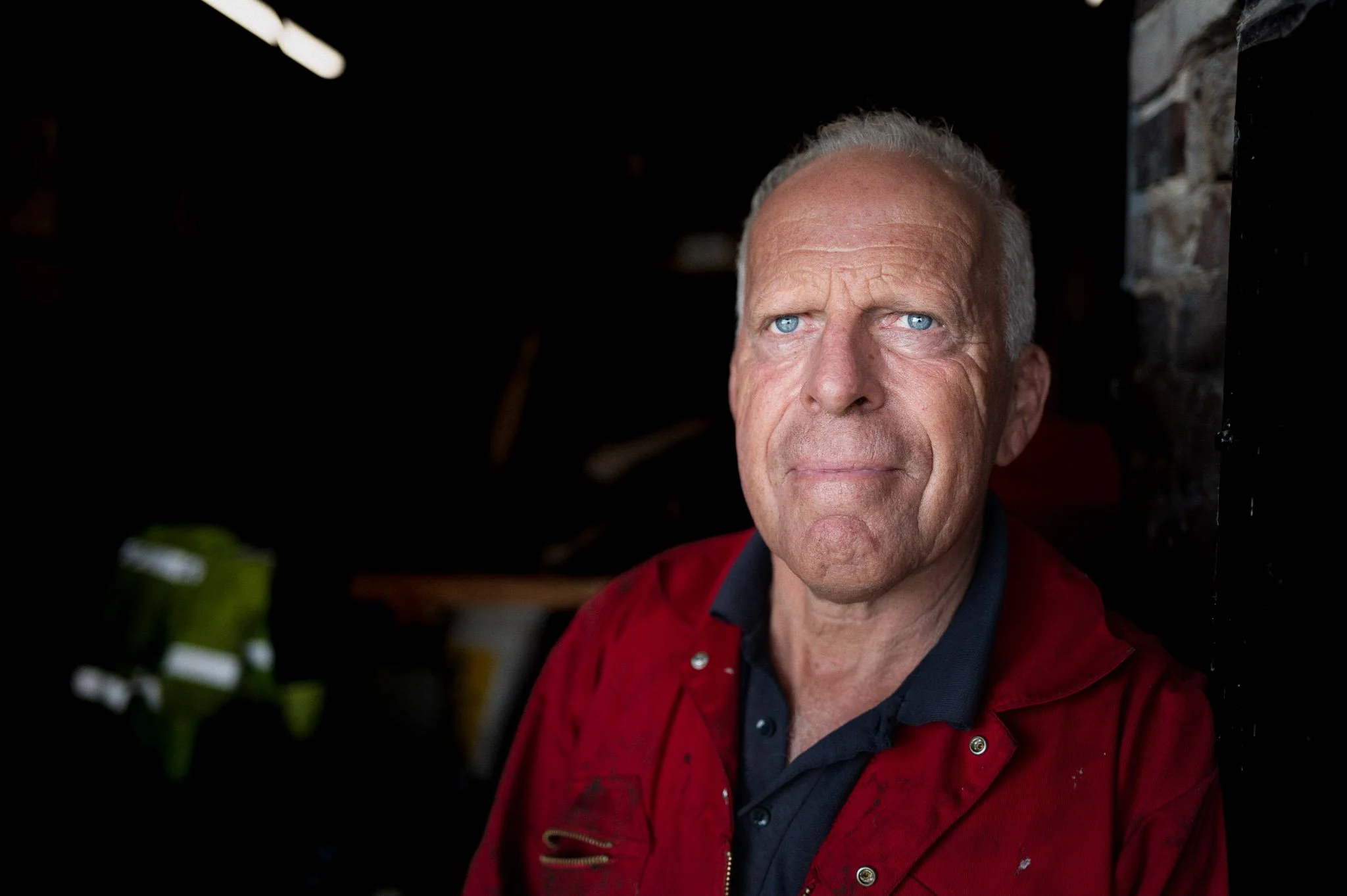
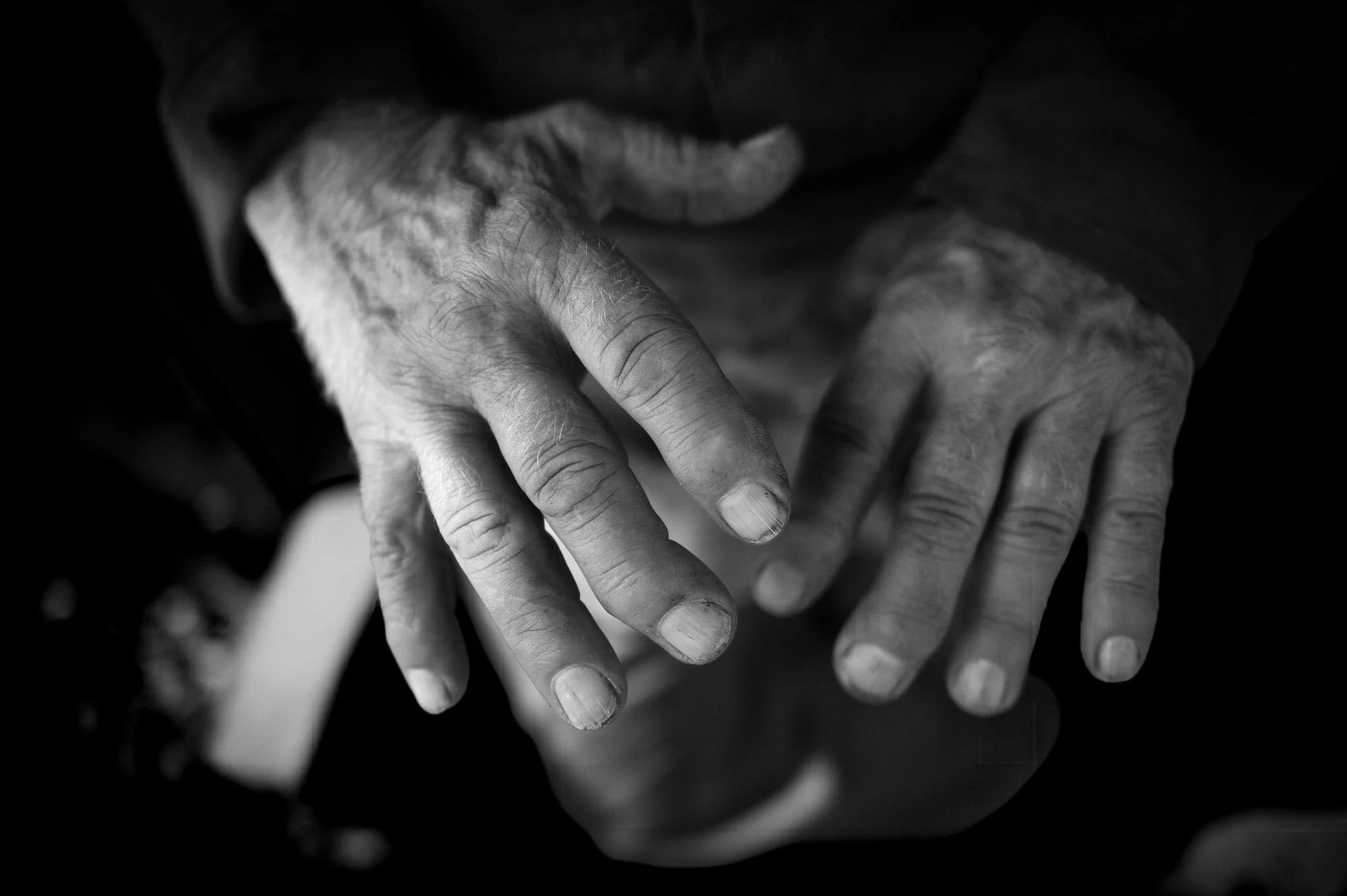
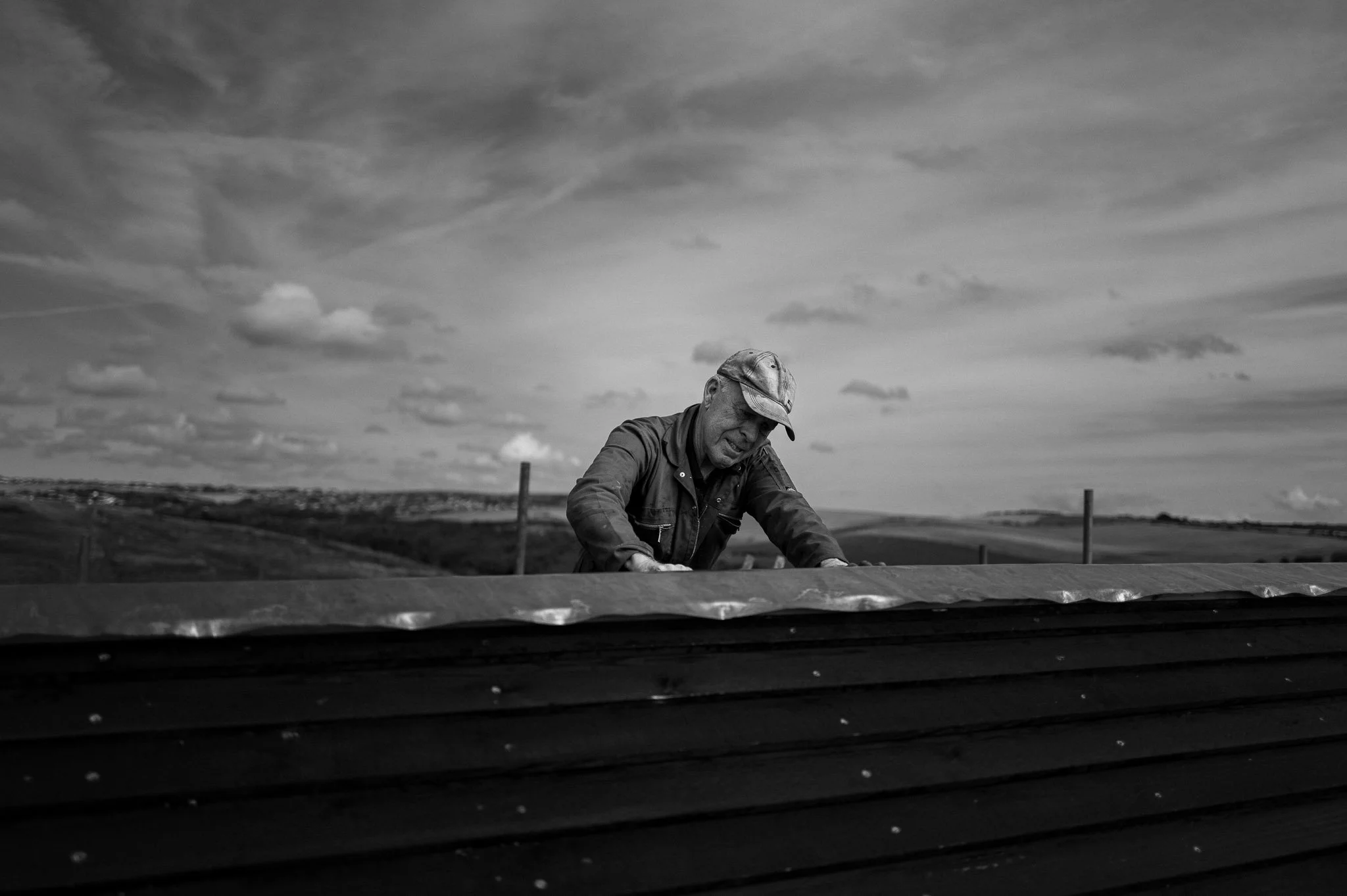
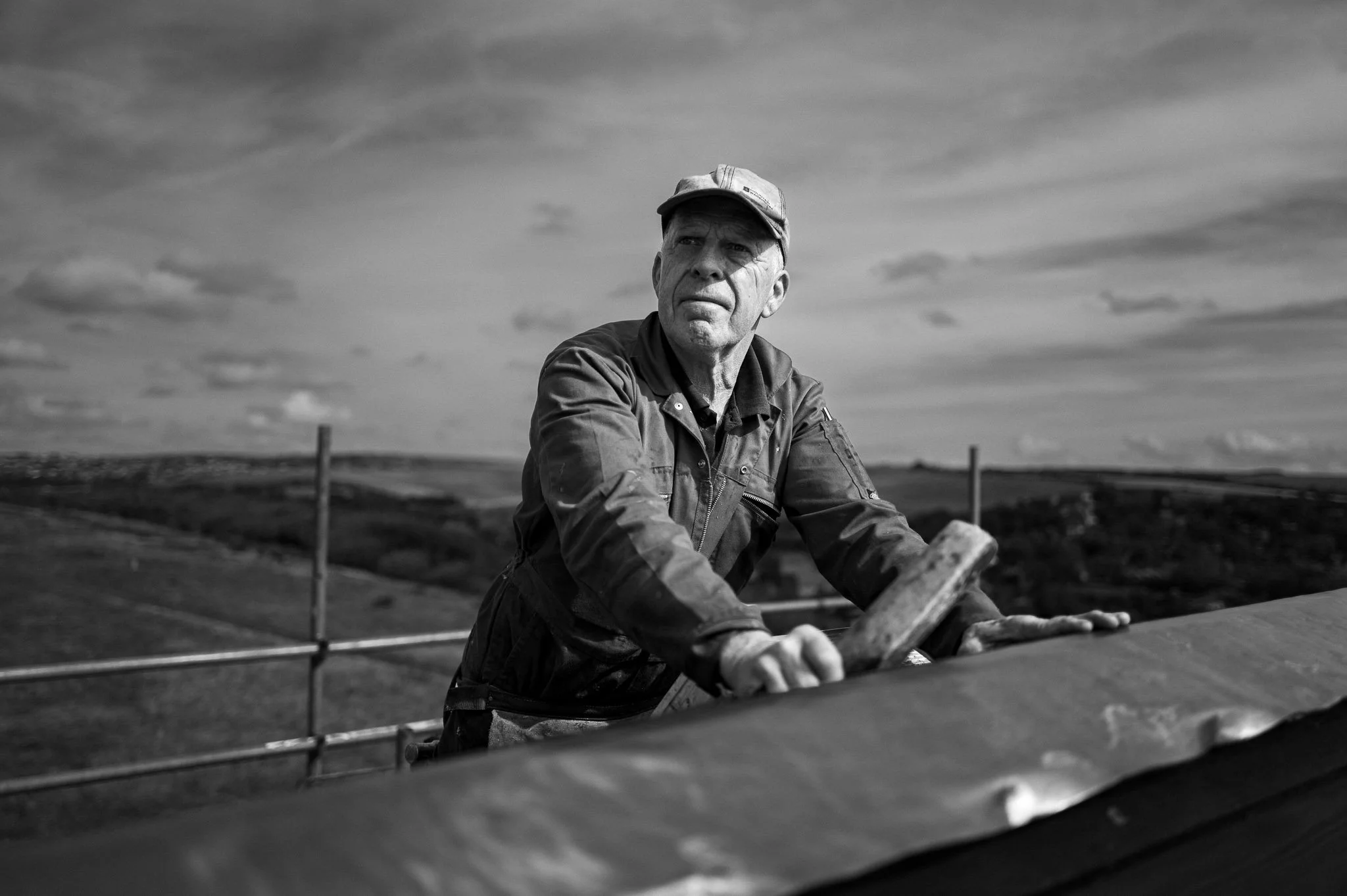
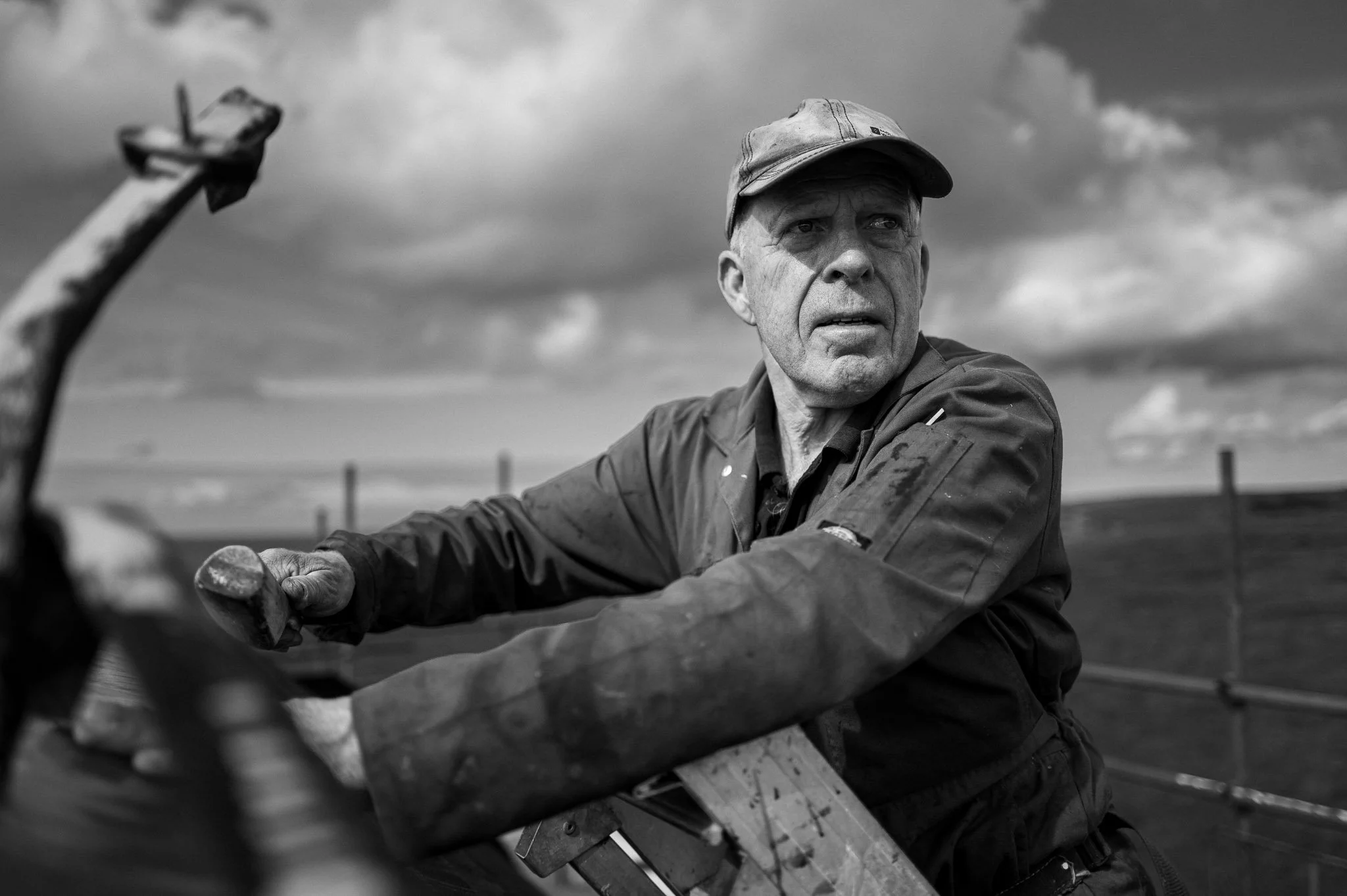
Paul's hands tell their own story. Crooked, misshapen; one finger going off happily in its own direction. Paul's quite comfortable telling you: 'These three were sliced off and now they don't bend properly. Crushed this one once...' Like those of many craftspeople who work with traditional tools, Paul's hands have been through the wars. But it's these same hands that built the incredible doors of St Margaret's Church, and the same ones that have maintained the windmill on the hill for more than 25 years. They're just tools to Paul, prone to mishaps and breakages.
Drive past on your way from Brighton along the coast road and, if you glance up, you might see a figure in red work coveralls tapping away among the scaffolding. That's Paul. He's been up there all summer, racing against time and the elements to get the fixes in, ready for one more winter.
The windmill sits up on Beacon Hill overlooking the sea, the Marina and, further along, Brighton itself. A wooden sentinel standing watch. It has been there for over two hundred years — through storms, through wars, through the slow transformation of the village below it. People pass it every day without thinking much about it. It's just part of the landscape now, so familiar it's almost invisible. Yet it remains, patient and constant, holding its ground against whatever the weather — or life — brings.
It doesn't do this alone, though. The windmill endures because people choose to keep it standing. Paul's the millwright. His dad was a boatbuilder, not two miles away at the Marina. Paul's skills and knowledge, his deep, personal connection with timber... a lot of it comes from and through his dad. And then we have a cast of other characters, themselves all bound to the windmill and this particular era. People have come before them and people will follow, down through time, but every segment of time has its set of living custodians.
Overseeing it all is Colin Dellar. Retired from his shipping career, but restlessly looking after the windmill now. He's one of Rottingdean Heritage's trustees.
Then there's Tony Brimlow — himself a trustee, restorer and, perhaps unexpectedly, an aeronautical engineer. His dad was an engineer too, and his grandfather a miller, but of the water variety, down in the West Country.
Through Colin, Paul and Tony, the windmill emerges not simply as a historic building, but as a living chain of craftsmanship. Timber and iron installed by skilled hands two centuries ago is now being carefully removed, studied and recreated by another generation. The original builders could never have known the people now preserving their work, yet their decisions, skills and traces remain embedded within the structure. Every shaped timber and carefully fitted joint contains evidence of someone's attention. Knowledge passes from grandfather to father, from father to son, and onwards to grandchildren and to craftspeople who may one day take up the work themselves. Take the element of time away and they are all there right now, together, working away on the same project.
Today's team didn't know the people from before, and they won't likely know those doing it in the future. Yet they are all part of the same line. The names and faces change, but each generation briefly occupies the same place: receiving the windmill from those who came before and passing it forward to those who will follow. A proud bloodline of craft and care.
There is a saying that no boat was ever built without love. And that must be true of windmills. The windmill's survival depends upon a kind of devotion that isn't measured through money, awards or recognition. The people involved do this because the craft matters to them and because they understand the value of preserving something for people they may never meet.
I climbed the scaffolding to the top of the windmill. Paul nonchalantly carried on tapping away with his hammer, but when I reached the top, the first thing I saw, before the sea and the views of Brighton, was the village on the other side: Rottingdean. Twinkling away in the sun. And there, somewhere in the middle, the churchyard.
Most of the villagers buried down there would have known it, taken their corn to it, heard its sails going on a windy day. Just part of the landscape to them, always there in the background. It's a beautiful view. Paul didn't look up. He's seen it before.